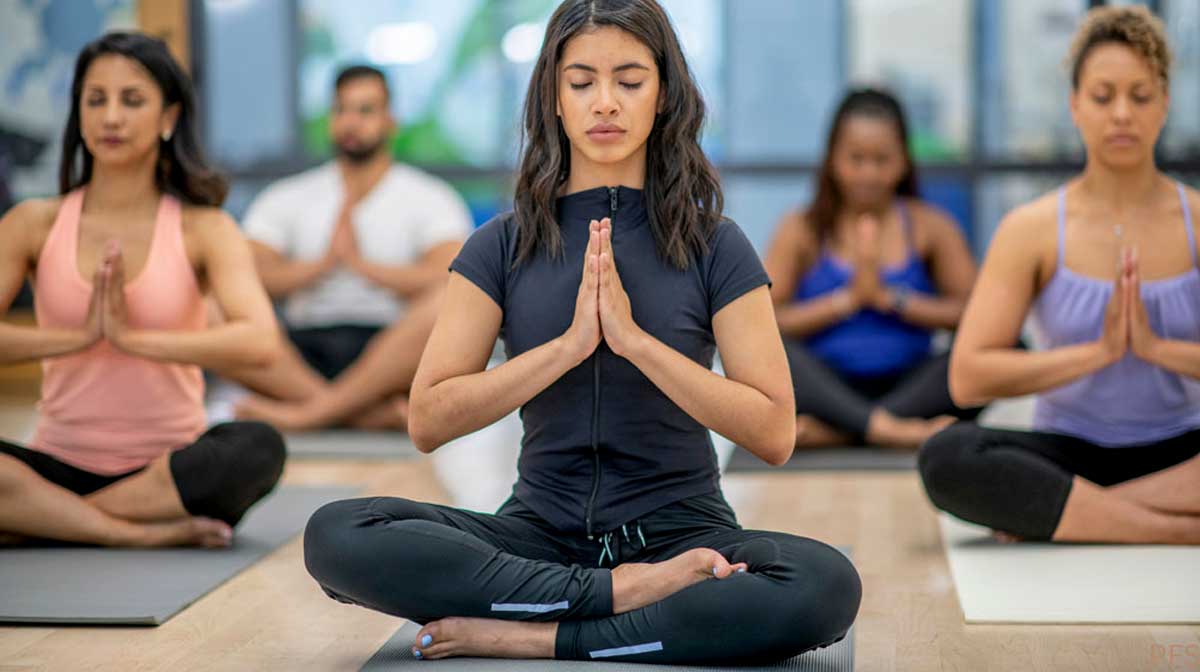
Sustainable Yoga Clothes: A Complete Guide to Eco-Friendly Activewear


Yoga teaches balance, mindfulness, and respect for both body and mind. But there is a question many people are asking today: if yoga encourages a healthier relationship with ourselves and the world around us, shouldn’t our clothing reflect the same values?
This is where sustainable yoga clothes enter the conversation.
Over the last decade, people around the world have become more aware of the environmental impact of the fashion industry. Reports from organizations such as the United Nations and the European Environment Agency have highlighted the significant amount of water, energy, and raw materials consumed by clothing production. At the same time, consumers are increasingly looking for alternatives that align with their values.
For yoga enthusiasts, the shift toward eco-friendly activewear feels almost natural. After all, it is difficult to practice mindfulness while wearing clothing that may contribute to environmental damage or unethical labor practices.
Today, sustainable yoga clothes are no longer a niche trend. They have become a global movement embraced by yoga practitioners, fitness enthusiasts, outdoor adventurers, and everyday consumers who want their purchasing decisions to have a positive impact.
Brands such as UMAHE WEAR are part of this growing movement, focusing on activewear that combines comfort, performance, and sustainability. As consumers become more informed, they are increasingly seeking products that support both personal wellness and environmental responsibility.
Why Sustainable Fashion Matters More Than Ever
Imagine buying a pair of yoga leggings.
They look great. They fit perfectly. They feel comfortable.
Now imagine learning that producing those leggings required thousands of liters of water, generated significant carbon emissions, and involved materials that may remain in landfills for hundreds of years.
Suddenly, the purchase feels different.
The global fashion industry is one of the largest manufacturing sectors in the world. According to estimates from international environmental organizations, the industry contributes a substantial share of global greenhouse gas emissions and consumes enormous amounts of freshwater annually.
While not every garment carries the same environmental footprint, the cumulative effect of billions of clothing items produced each year is significant.
This reality has encouraged consumers and manufacturers alike to explore more responsible alternatives.
The Rise of Conscious Consumers
Modern consumers are asking questions that were rarely discussed twenty years ago:
- Where was this garment made?
- What materials were used?
- How much water was consumed?
- Can the product be recycled?
- Are workers treated fairly?
- Is the company transparent about its practices?
These questions are reshaping the apparel industry.
Businesses that can answer them honestly are increasingly gaining consumer trust.
What Makes Yoga Clothing Sustainable?
The term “sustainable” can sometimes feel confusing because it is used in many different ways.
At its core, sustainable yoga clothing aims to reduce negative environmental and social impacts throughout the product’s lifecycle.
This may involve:
- Eco-friendly materials
- Ethical manufacturing
- Reduced waste
- Lower carbon emissions
- Responsible packaging
- Long-lasting product design
A truly sustainable garment considers much more than just the fabric.
Sustainable Materials Matter
One of the biggest factors influencing sustainability is material selection.
Some fabrics require fewer resources to produce and generate less environmental impact than conventional alternatives.
Common sustainable materials include:
Organic Cotton
Organic cotton is grown without many of the synthetic pesticides and fertilizers commonly used in conventional agriculture.
Benefits include:
- Reduced chemical exposure
- Improved soil health
- Lower environmental impact
- Soft, breathable comfort
For yoga practitioners, organic cotton often provides a natural and comfortable feel during low-impact sessions.
Recycled Polyester
Many sustainable activewear brands use recycled polyester made from post-consumer plastic bottles.
This process helps divert waste from landfills and oceans while reducing demand for virgin petroleum-based materials.
Advantages include:
- Moisture-wicking performance
- Durability
- Resource conservation
- Reduced plastic waste
It is one of the most common materials found in eco-friendly activewear today.
Bamboo-Based Fabrics
Bamboo has gained popularity because of its rapid growth rate and relatively low resource requirements.
Consumers often appreciate bamboo fabrics because they are:
- Soft
- Lightweight
- Breathable
- Comfortable
However, sustainability depends heavily on how the fabric is processed, making transparency important.
TENCEL™ and Lyocell
These fibers are produced from sustainably sourced wood pulp using closed-loop manufacturing systems.
Benefits include:
- Soft texture
- Excellent moisture management
- Reduced environmental impact
- Biodegradable characteristics
Many premium sustainable yoga brands incorporate these materials into their collections.
The Connection Between Yoga and Sustainability
There is an interesting philosophical connection between yoga and sustainability.
Yoga encourages awareness.
Sustainability encourages awareness.
Yoga teaches intentional living.
Sustainability promotes intentional consumption.
Yoga encourages balance.
Sustainability seeks balance between human needs and environmental protection.
Perhaps this is why environmentally responsible activewear resonates so strongly with yoga communities around the world.
Many practitioners see sustainable clothing not as a fashion statement but as a natural extension of their values.
Looking Beyond Trends
Fashion trends come and go.
Remember when everyone suddenly decided they needed ultra-low-rise pants?
Some trends are better left in the past.
Sustainability, however, appears to be something different.
It is increasingly driven by long-term environmental concerns, changing consumer expectations, and growing awareness of global resource challenges.
For this reason, many experts believe sustainable apparel will continue growing for decades rather than fading as a temporary trend.
How Sustainable Yoga Clothes Improve Quality
One common misconception is that sustainable clothing requires sacrificing quality.
In reality, many eco-conscious brands prioritize durability because longer-lasting garments contribute to sustainability goals.
Think about it.
A pair of yoga leggings that lasts five years often has a lower overall environmental impact than five cheaper pairs that wear out quickly.
High-quality sustainable yoga clothing frequently offers:
- Better stitching
- Stronger fabric construction
- Improved durability
- Greater comfort
- Enhanced performance
Consumers increasingly recognize that value involves more than just the initial purchase price.
The Cost Question
One of the first questions many shoppers ask is:
“Why are sustainable yoga clothes sometimes more expensive?”
Several factors contribute:
- Higher-quality materials
- Ethical labor standards
- Smaller production runs
- Sustainable certifications
- Responsible sourcing practices
While prices may be higher upfront, many consumers find that durability and quality offset the initial cost over time.
In other words, buying one excellent pair of leggings can sometimes be smarter than buying three mediocre pairs.
Sustainable Yoga Clothes and the European Market
Europe has become one of the leading regions promoting sustainable fashion.
Several factors contribute to this trend:
- Environmental awareness
- Government initiatives
- Consumer demand
- Circular economy policies
- Increased transparency requirements
European consumers are often among the most informed when it comes to sustainable purchasing decisions.
As a result, brands serving European markets increasingly highlight:
- Material sourcing
- Environmental certifications
- Carbon reduction initiatives
- Ethical manufacturing practices
This growing demand creates opportunities for responsible activewear brands worldwide.
Performance Still Matters
Of course, yoga clothing must actually perform well.
Even the most environmentally friendly leggings will struggle to succeed if they are uncomfortable during practice.
Consumers typically expect:
- Stretchability
- Breathability
- Moisture management
- Freedom of movement
- Durability
- Comfort
Modern sustainable fabrics increasingly meet or exceed these expectations.
Fortunately, today’s shoppers often do not need to choose between sustainability and performance.
Advances in textile technology have made it possible to achieve both.
Sustainability Is Not About Perfection
One important point is often overlooked.
Sustainability is not about perfection.
Very few products have zero environmental impact.
The goal is continuous improvement.
Choosing more responsible materials, supporting ethical brands, reducing waste, and buying fewer but higher-quality products can collectively make a meaningful difference.
Small decisions, repeated millions of times, create large outcomes.
And that principle applies just as much to shopping as it does to yoga practice.
How to Choose Sustainable Yoga Clothes: A Practical Buyer’s Guide
Walking into a store or browsing online can feel overwhelming. Every brand claims to be sustainable. Every product promises to be eco-friendly. Every label seems to include words like “green,” “natural,” or “responsible.”
So how can an everyday shopper tell the difference?
The good news is that you don’t need a degree in environmental science to make smarter choices.
A few simple checks can help you identify genuinely sustainable yoga clothes.
Check the Fabric Composition
The first thing to examine is the material label.
Look for fabrics such as:
- Organic cotton
- Recycled polyester
- Recycled nylon
- TENCEL™ Lyocell
- Hemp blends
- Responsibly sourced bamboo fabrics
Generally speaking, the more transparent a brand is about its materials, the more confidence consumers can have in its sustainability claims.
When browsing collections from companies such as UMAHE WEAR, paying attention to material information can help you better understand the environmental profile of each product.
Evaluate Durability
A sustainable garment should last.
This sounds obvious, but durability is one of the most overlooked sustainability factors.
Think of your favorite old hoodie.
The one you’ve worn for years.
The one that somehow survives every wash cycle and still feels comfortable.
Longevity matters because replacing products less frequently reduces resource consumption.
Before purchasing, consider:
- Fabric thickness
- Stitch quality
- Reinforced seams
- Customer reviews
- Product warranties
The most sustainable clothing item is often the one you don’t need to replace next year.
Look for Transparency
Trustworthy brands usually explain:
- Where products are made
- What materials are used
- Their sustainability goals
- Manufacturing practices
- Environmental initiatives
If a company makes broad environmental claims but provides very little information, that may be a sign to investigate further.
Understanding Greenwashing
Let’s talk about a term that has become increasingly important.
Greenwashing.
Greenwashing occurs when companies present themselves as environmentally responsible without providing meaningful evidence.
It’s the sustainability equivalent of someone claiming to be a marathon runner because they once jogged to catch a bus.
Common Greenwashing Warning Signs
Be cautious if you see:
- Vague claims such as “eco-friendly”
- No supporting certifications
- Lack of transparency
- No sustainability reports
- Unverifiable environmental statements
For example, saying a product is “natural” does not automatically make it sustainable.
Consumers today are becoming much better at spotting marketing buzzwords.
And honestly, that’s a positive development.
Questions Smart Consumers Ask
Before purchasing sustainable yoga clothes, consider asking:
- Is the material certified?
- Does the company publish sustainability information?
- Are workers treated fairly?
- Can the garment be recycled?
- How long is it expected to last?
These questions often reveal more than flashy marketing campaigns.
Sustainability Certifications Worth Knowing
Certifications help consumers verify environmental and social claims.
Think of them as independent report cards.
No certification is perfect, but they provide useful guidance.
GOTS (Global Organic Textile Standard)
One of the most respected certifications for organic textiles.
It evaluates:
- Organic fiber content
- Environmental practices
- Social responsibility
- Manufacturing standards
OEKO-TEX®
This certification focuses on harmful substances.
It helps ensure textiles are tested for chemicals that may be harmful to human health.
For yoga practitioners who spend significant time in close contact with fabrics, this can be reassuring.
Global Recycled Standard (GRS)
Used for products containing recycled materials.
The standard helps verify:
- Recycled content
- Supply chain transparency
- Social criteria
- Environmental practices
Fair Trade Certification
Fair Trade standards focus on ethical labor conditions and worker welfare.
Consumers interested in social sustainability often look for these certifications.
Sustainable Yoga Leggings vs Traditional Activewear
Let’s compare the two approaches.
Traditional Activewear
Often uses:
- Virgin polyester
- Conventional nylon
- Resource-intensive production
- Limited transparency
Advantages:
- Performance
- Availability
- Lower upfront costs
Challenges:
- Higher environmental footprint
- Greater reliance on fossil fuels
- More waste generation
Sustainable Yoga Leggings
Often include:
- Recycled materials
- Organic fibers
- Ethical manufacturing
- Reduced environmental impact
Advantages:
- Lower resource consumption
- Better transparency
- Alignment with sustainability values
Challenges:
- Sometimes higher initial cost
- Limited availability in certain markets
The gap between these categories is shrinking rapidly as technology improves.
Why Fast Fashion Creates Environmental Challenges
Fast fashion has transformed the clothing industry.
New collections appear constantly.
Prices are often incredibly low.
Consumers are encouraged to purchase more frequently.
While affordability has benefits, the model can create environmental pressures.
The Disposable Clothing Problem
Many garments are designed for short-term use.
As a result:
- More waste enters landfills
- More raw materials are consumed
- More energy is required for manufacturing
In Europe alone, millions of tons of textile waste are generated each year.
Researchers and policymakers increasingly support circular economy approaches that encourage reuse, repair, recycling, and longer product lifecycles.
Quality vs Quantity
Imagine buying:
- Ten inexpensive yoga tops that last one year each
Or
- Three high-quality tops that last several years
The second option may actually provide better value while generating less waste.
Sustainability often rewards long-term thinking.
The Growing Role of Circular Fashion
Circular fashion aims to keep materials in use for as long as possible.
Rather than following the traditional pattern:
Take → Make → Dispose
The goal becomes:
Make → Use → Reuse → Repair → Recycle
Examples of Circular Practices
Many apparel companies now offer:
- Clothing recycling programs
- Repair services
- Second-hand marketplaces
- Fabric recovery initiatives
These approaches reduce waste and extend product lifespans.
Why Consumers Like Circular Models
People increasingly appreciate products that:
- Last longer
- Create less waste
- Offer repair options
- Support environmental responsibility
Interestingly, younger generations often view sustainability as a normal expectation rather than a luxury feature.
Ethical Manufacturing Matters Too
Environmental sustainability is only one piece of the puzzle.
The human side matters as well.
Yoga encourages compassion.
Many consumers extend that principle to the people who make their clothing.
What Ethical Manufacturing Includes
Responsible production may involve:
- Safe workplaces
- Fair wages
- Reasonable working hours
- Respect for labor rights
- Transparent supply chains
Consumers often feel more confident supporting companies that openly discuss these topics.
Why Transparency Builds Trust
When brands explain:
- Where products are manufactured
- Who produces them
- How quality is controlled
Customers gain confidence in their purchases.
Trust has become one of the most valuable assets in modern business.
The Psychology of Sustainable Shopping
Something interesting happens when people buy products aligned with their values.
They often feel more satisfied.
Researchers studying consumer behavior have found that value-based purchasing decisions can increase emotional satisfaction and brand loyalty.
In simple terms:
People enjoy buying things they believe are making a positive difference.
This doesn’t mean every purchase changes the world overnight.
But it does mean that thoughtful purchasing can create a stronger connection between consumers and brands.
Sustainable Yoga Clothes and Everyday Life
One reason sustainable activewear continues growing is versatility.
Modern yoga clothing is no longer limited to yoga studios.
Many consumers wear activewear:
- While traveling
- Working remotely
- Running errands
- Walking outdoors
- Relaxing at home
- Participating in fitness activities
The line between activewear and everyday clothing continues to blur.
This trend is particularly strong across Europe, North America, and Australia.
As a result, consumers increasingly seek garments that combine:
- Comfort
- Style
- Performance
- Sustainability
Brands that successfully deliver all four qualities are positioned for long-term growth.
Sustainable Yoga Clothes for Men
For many years, discussions about yoga apparel focused primarily on women. Today, that has changed dramatically.
More men than ever are practicing yoga, stretching routines, mobility training, and mindfulness exercises. As participation grows, demand for sustainable yoga clothes designed specifically for men continues to rise.
The good news is that modern eco-friendly activewear is no longer limited to a handful of basic designs. Today’s collections combine sustainability, comfort, and style.
What Men Typically Look For
When shopping for yoga clothing, men often prioritize:
- Comfort
- Breathability
- Freedom of movement
- Durability
- Moisture management
- Versatility
A quality sustainable yoga shirt should feel equally comfortable during a yoga session, a walk in the park, or a casual coffee meetup.
Popular Sustainable Options
Men’s sustainable yoga wardrobes often include:
Lightweight T-Shirts
Made from:
- Organic cotton
- Recycled polyester blends
- Bamboo fabrics
- TENCEL™ fibers
These materials help maintain comfort during movement while reducing environmental impact.
Sustainable Joggers
Comfortable joggers have become one of the most versatile clothing items in modern wardrobes.
Many eco-conscious consumers appreciate joggers because they can transition easily between:
- Yoga practice
- Travel
- Home office work
- Casual outings
Performance Shorts
For hot climates or intense workouts, sustainable performance shorts offer excellent flexibility while using more responsible materials.
Sustainable Yoga Clothes for Women
Women have traditionally driven much of the growth in the yoga apparel market.
Today, sustainable options are available in almost every category imaginable.
From yoga leggings to sports bras and lightweight tops, consumers have significantly more choices than they did just a few years ago.
Sustainable Yoga Leggings
Leggings remain one of the most popular yoga clothing items worldwide.
Consumers often look for:
- Stretchability
- Squat-proof fabrics
- Moisture control
- Long-lasting elasticity
- Soft touch materials
Many sustainable leggings now use recycled materials while maintaining high performance standards.
Sustainable Sports Bras
Comfort and support remain essential.
Modern eco-friendly sports bras increasingly incorporate:
- Recycled fibers
- Breathable fabrics
- Reduced-waste manufacturing methods
This allows consumers to choose products that support both their workouts and their environmental values.
Layering Pieces
Yoga practitioners often appreciate versatile layers such as:
- Hoodies
- Zip-up jackets
- Long-sleeve tops
- Lightweight wraps
Sustainable versions made from organic or recycled materials are becoming increasingly common.
How Technology Is Revolutionizing Sustainable Activewear
One of the most exciting developments in recent years is the role technology plays in sustainable fashion.
Not long ago, eco-friendly clothing sometimes carried a reputation for being less durable or less performance-oriented.
Today, advanced textile innovation is changing that perception.
Smart Fabric Engineering
Researchers continue developing fabrics that are:
- Lighter
- Stronger
- More breathable
- More durable
- Easier to recycle
Many innovations focus on improving performance while reducing environmental impact.
Improved Recycling Technologies
Historically, recycling clothing was challenging because many garments combined multiple materials.
New recycling methods are helping manufacturers recover and reuse fibers more effectively.
This advancement supports the broader goal of creating a circular fashion economy.
Reduced Water Consumption
Water conservation remains a major priority in textile manufacturing.
Several innovative production techniques now require significantly less water than traditional methods.
As global water resources face increasing pressure, these innovations become increasingly important.
Sustainable Fashion and Climate Change
Climate change is one of the defining challenges of our era.
Governments, businesses, and consumers are all exploring ways to reduce environmental impact.
The fashion industry is part of that conversation.
Why Clothing Choices Matter
Every product has an environmental footprint.
Factors include:
- Raw material production
- Manufacturing
- Transportation
- Packaging
- Consumer use
- End-of-life disposal
Sustainable yoga clothes aim to reduce these impacts wherever possible.
No product is perfect, but meaningful improvements can make a significant difference when adopted at scale.
Small Actions Add Up
A single consumer choosing sustainable activewear may seem insignificant.
But when millions of consumers make similar decisions, the impact becomes substantial.
This is one reason sustainability experts often emphasize collective action rather than individual perfection.
Future Trends in Sustainable Yoga Clothing
The next decade could be transformative for sustainable activewear.
Several emerging trends are likely to shape the market.
Bio-Based Materials
Scientists continue developing fabrics derived from renewable resources.
Potential sources include:
- Agricultural waste
- Algae
- Plant fibers
- Forest-based materials
These innovations may reduce dependence on fossil-fuel-derived textiles.
Fully Recyclable Garments
Future activewear may be designed specifically for recycling at the end of its life.
Instead of becoming waste, materials could be continuously reused.
Carbon-Neutral Production
Many brands are exploring ways to reduce and offset emissions throughout their supply chains.
Consumers increasingly expect measurable environmental commitments rather than vague promises.
Digital Product Passports
Emerging regulations, particularly in Europe, may encourage brands to provide detailed information about products.
Future shoppers could potentially scan a QR code and instantly access:
- Material sourcing
- Manufacturing details
- Environmental data
- Recycling instructions
Greater transparency benefits both consumers and responsible businesses.
Common Mistakes People Make When Buying Sustainable Yoga Clothes
Even well-intentioned consumers sometimes make mistakes.
Here are a few common ones.
Focusing Only on Price
The cheapest option is not always the most economical.
Durability often matters more than the initial purchase price.
Ignoring Material Information
Many shoppers buy clothing without checking fabric composition.
Understanding materials can help consumers make more informed choices.
Falling for Marketing Buzzwords
Terms such as:
- Green
- Eco
- Natural
- Conscious
may sound appealing but do not automatically guarantee sustainability.
Evidence matters.
Buying More Than Necessary
Ironically, overconsumption remains a challenge even when purchasing sustainable products.
Mindful shopping often means buying fewer, higher-quality items.
Sustainable Yoga Clothes and Personal Wellness
There is an interesting relationship between clothing and well-being.
When people feel comfortable in their clothing, they are often more likely to:
- Exercise regularly
- Maintain healthy habits
- Stay active
- Feel confident
Yoga itself is about creating harmony.
For many practitioners, sustainable clothing adds another layer of alignment between personal values and daily choices.
Beyond Fashion
Sustainable yoga clothes are not simply about appearance.
They reflect broader ideas:
- Responsibility
- Awareness
- Quality
- Longevity
- Ethical consumption
For many consumers, these values matter just as much as style.
The Bigger Picture
At the end of the day, sustainable yoga clothing is about making thoughtful decisions.
It is not about perfection.
It is not about guilt.
And it certainly is not about judging others.
Instead, it is about recognizing that our purchasing choices have impacts beyond our wardrobes.
When consumers support companies committed to sustainability, innovation, and transparency, they help encourage positive change throughout the industry.
Brands such as UMAHE WEAR are participating in this shift by helping customers access activewear that aligns performance with environmental awareness.
As demand continues growing across Europe and around the world, sustainable yoga clothes are likely to become less of a specialty category and more of an industry standard.
And honestly, that might be one of the healthiest trends the fashion world has seen in a very long time.
Frequently Asked Questions (FAQ)
Are sustainable yoga clothes really better for the environment?
In many cases, yes. Sustainable yoga clothes often use recycled materials, organic fibers, lower-impact production methods, and more responsible supply chains. While no garment has zero environmental impact, sustainable options generally reduce resource consumption compared to conventional activewear.
Do sustainable yoga clothes last longer?
Quality varies between brands, but many sustainable activewear manufacturers focus on durability and long-term use. A well-made garment that lasts several years is often more sustainable than multiple low-cost replacements.
Are sustainable yoga clothes more expensive?
Sometimes. However, higher-quality materials, ethical manufacturing, and environmental standards can increase production costs. Many consumers find that longer product life offsets the higher initial investment.
What materials should I look for?
Some of the most common sustainable materials include:
- Organic cotton
- Recycled polyester
- Recycled nylon
- TENCEL™ Lyocell
- Hemp
- Responsibly sourced bamboo fabrics
Can sustainable yoga clothes perform as well as traditional activewear?
Absolutely. Advances in textile technology have significantly improved the performance of eco-friendly fabrics. Many sustainable garments now offer excellent stretch, moisture management, durability, and comfort.
How can I verify sustainability claims?
Look for transparency, certifications, material information, sustainability reports, and independent verification. Reliable certifications include GOTS, OEKO-TEX®, Fair Trade, and Global Recycled Standard (GRS).
Is buying fewer clothes also part of sustainability?
Yes. One of the most effective sustainability strategies is purchasing fewer, higher-quality products and using them longer.
Where can I learn more about sustainable activewear?
Consumers can explore sustainable apparel trends and product options through UMAHE WEAR and related industry resources.
Final Thoughts
Sustainable yoga clothes are no longer a niche trend reserved for a small group of environmentally conscious shoppers. They have become part of a broader movement toward responsible consumption, ethical manufacturing, and long-term product quality.
As awareness grows across Europe and around the world, consumers increasingly want activewear that performs well, feels comfortable, and reflects their personal values. Fortunately, modern sustainable yoga clothing can deliver all three.
Whether you are a beginner attending your first yoga class or an experienced practitioner looking to upgrade your wardrobe, choosing eco-friendly activewear can be a practical step toward reducing environmental impact while supporting innovation within the apparel industry.
The future of fashion is likely to be shaped by transparency, circular production systems, recycled materials, renewable resources, and smarter manufacturing technologies. Consumers who understand these trends today will be better prepared to make informed purchasing decisions tomorrow.
If you are looking for sustainable activewear solutions, environmentally conscious apparel, and modern yoga wear designed for today’s lifestyle, exploring the collections and resources available at UMAHE WEAR can be an excellent starting point. As the sustainable fashion movement continues to evolve, companies that combine quality, performance, and responsibility will play an increasingly important role in shaping a better future for both people and the planet.
References
- United Nations Environment Programme – Fashion Industry and Sustainability
- World Resources Institute – Sustainable Fashion Research
- European Environment Agency – Textiles and Circular Economy
- Global Organic Textile Standard (GOTS)
- OEKO-TEX Official Website
- Textile Exchange Sustainability Reports
- Global Recycled Standard (GRS) Information
- Fashion Revolution Transparency Index
- Ellen MacArthur Foundation – Circular Economy in Fashion
- International Labour Organization – Sustainable Supply Chains