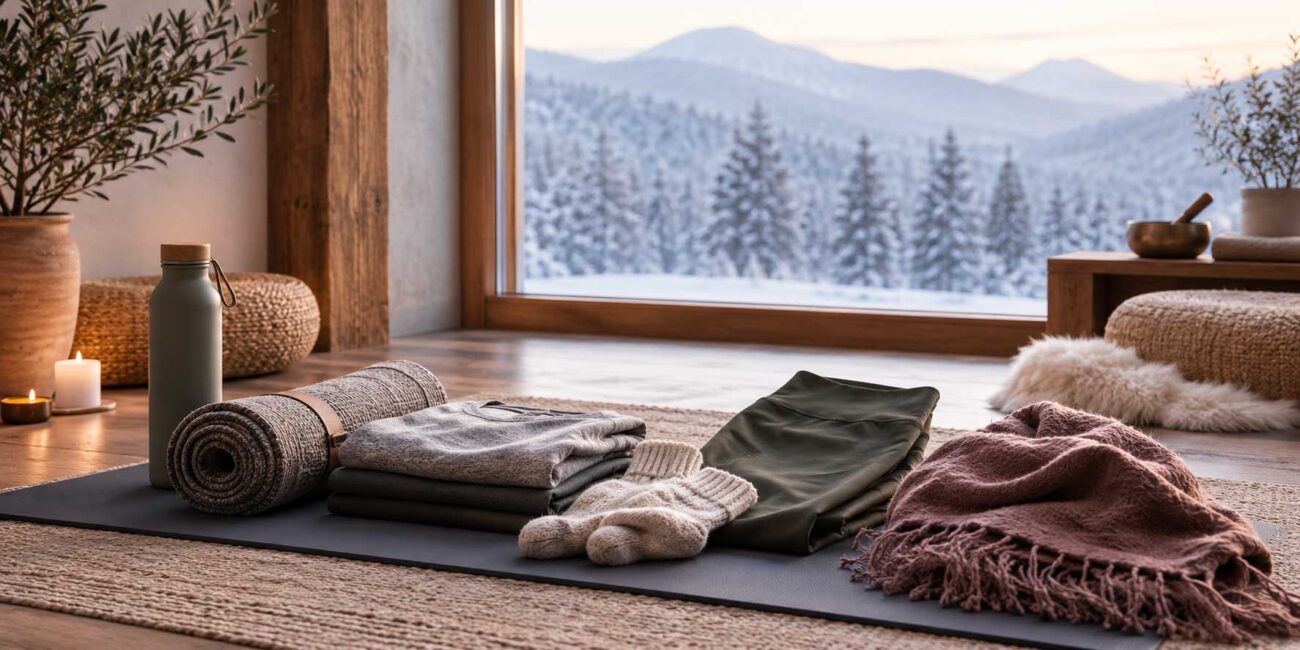
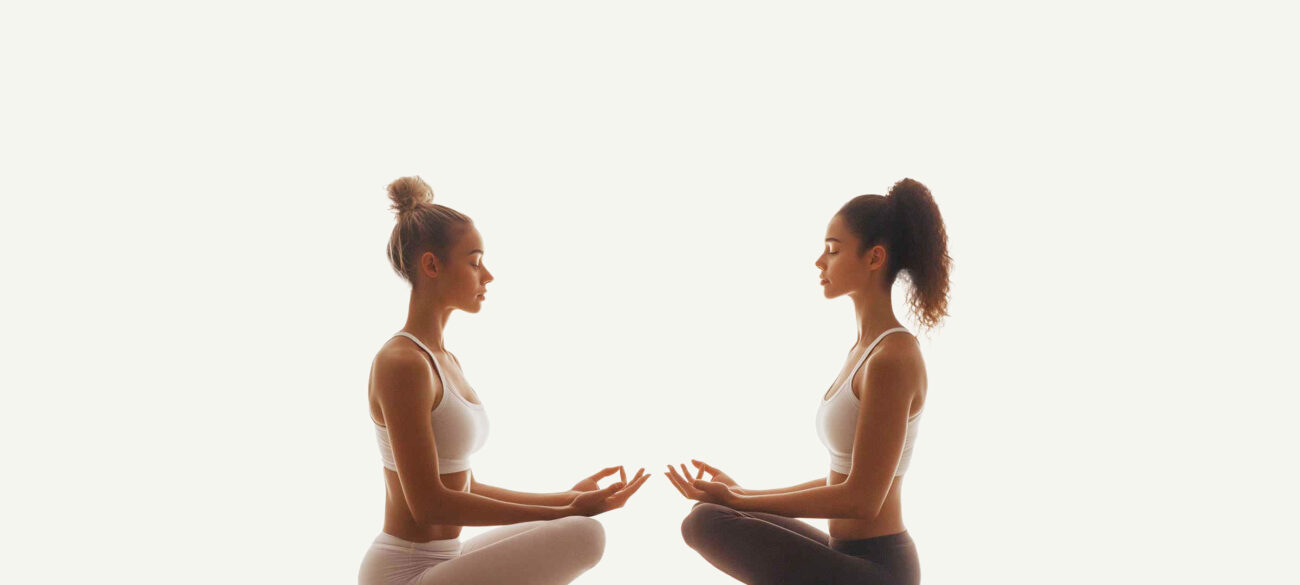
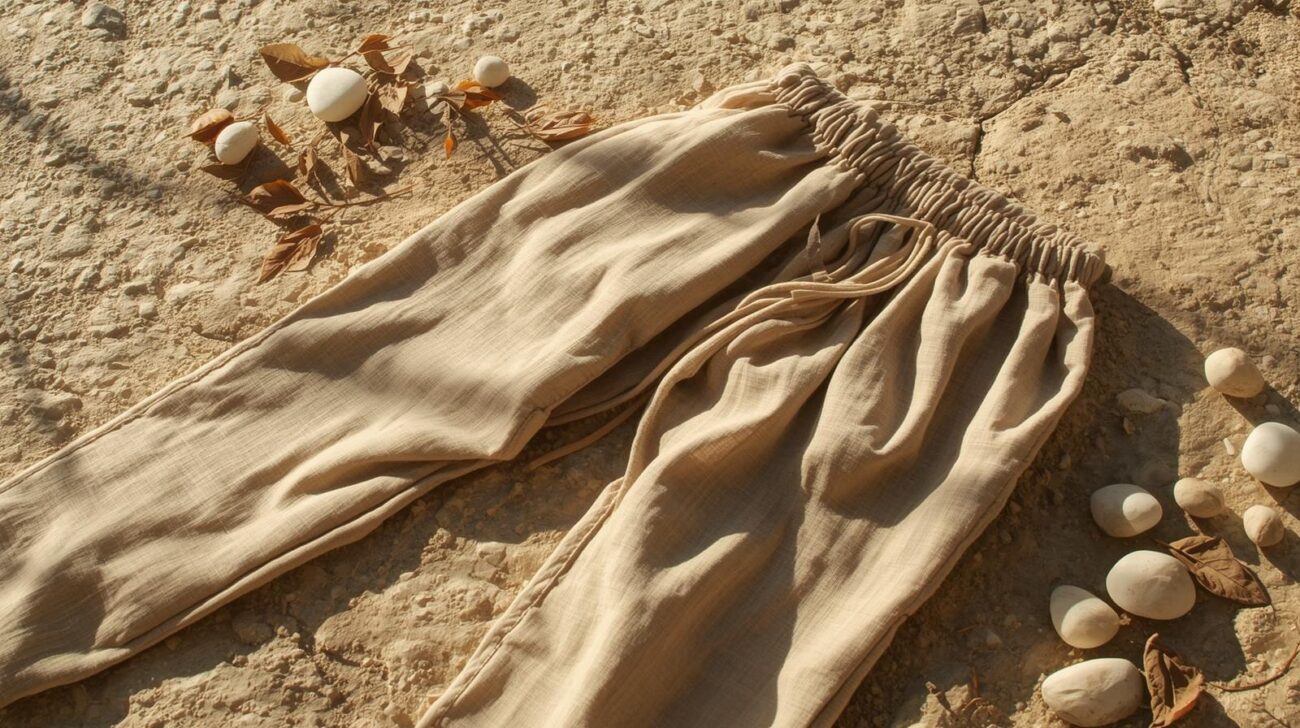
comfortable clothing for meditation


How the Right Outfit Can Transform Your Mindfulness Practice
Meditation has become one of the most popular wellness practices in the world. From busy professionals in London and Berlin to students in Toronto and entrepreneurs in Singapore, millions of people are turning to meditation to reduce stress, improve focus, and create more balance in their lives.
Yet there is one surprisingly important factor that many people overlook: comfortable clothing for meditation.
Most beginners spend a lot of time searching for the perfect meditation technique, the best meditation app, or the ideal quiet corner in their home. However, they often forget that uncomfortable clothing can become a major distraction.
Imagine sitting down for a peaceful meditation session. You close your eyes, take a deep breath, and begin focusing on your breathing. A few minutes later, your waistband feels too tight. Your shirt starts bunching around your shoulders. Suddenly your attention shifts from inner peace to physical discomfort.
Sound familiar?
The truth is that what you wear during meditation can significantly influence your comfort, concentration, and overall experience.
In this comprehensive guide, we will explore everything you need to know about choosing comfortable clothing for meditation, why it matters, what science says about comfort and mindfulness, how different fabrics affect your practice, and how brands focused on comfort and mindful living—such as UMAHE WEAR—can help support a better meditation journey.
Why Clothing Matters More Than Most People Think
Many people assume meditation is entirely mental.
While meditation certainly involves the mind, it also involves the body.
Your body and mind constantly communicate with each other. If your body is uncomfortable, your brain notices.
Researchers studying mindfulness and body awareness have repeatedly found that physical comfort can influence attention, emotional regulation, and concentration.
This does not mean you need expensive clothing.
Far from it.
The goal is not luxury.
The goal is freedom.
Freedom to breathe.
Freedom to move.
Freedom to sit without constantly adjusting your clothes.
A comfortable meditation outfit removes unnecessary distractions and allows you to focus on what truly matters.
The Connection Between Physical Comfort and Mental Calm
Have you ever noticed how difficult it is to relax when wearing something uncomfortable?
Perhaps you’ve attended a wedding in tight formal shoes.
Or spent a long day in restrictive clothing.
By the end of the day, even small discomforts can feel overwhelming.
Meditation works similarly.
Every physical distraction competes for your attention.
When clothing feels restrictive, your brain continues receiving subtle signals from your body.
These signals may seem small, but over a 20-minute meditation session, they can become increasingly noticeable.
Comfortable clothing creates an environment where your body can settle more naturally.
And when the body settles, the mind often follows.
The Global Rise of Meditation
Meditation is no longer considered a niche practice.
Recent global wellness reports indicate that meditation and mindfulness participation continues to grow across Europe, North America, and Asia.
Millions of people now practice:
- Mindfulness meditation
- Guided meditation
- Zen meditation
- Loving-kindness meditation
- Breathwork meditation
- Yoga-based meditation
The global wellness industry is valued at several trillion dollars, and meditation has become one of its fastest-growing segments.
As meditation becomes more mainstream, people are becoming increasingly interested in optimizing every aspect of their practice—including what they wear.
What Makes Clothing Suitable for Meditation?
Not every comfortable outfit is automatically ideal for meditation.
There are several important characteristics to consider.
Freedom of Movement
Meditation often involves sitting for extended periods.
Whether you sit cross-legged, kneeling, or in a chair, your clothing should allow unrestricted movement.
Good meditation clothing should never:
- Pull on your joints
- Restrict breathing
- Limit circulation
- Create pressure points
Instead, it should move naturally with your body.
Breathability
Breathability is one of the most overlooked features in meditation clothing.
Meditation encourages deeper awareness of breathing.
When fabric traps excessive heat, discomfort can quickly develop.
Breathable materials help regulate temperature and create a more pleasant experience.
Softness
Soft fabrics can enhance relaxation.
Rough seams, scratchy materials, and stiff fabrics may create subtle distractions.
The softer the garment feels against your skin, the easier it often becomes to forget about the clothing entirely—which is exactly what you want.
Simplicity
Meditation is often about reducing mental clutter.
Interestingly, many experienced meditators prefer simple clothing designs.
Minimal distractions.
Minimal adjustments.
Minimal fuss.
Simple clothing often supports a simpler mindset.
Common Mistakes People Make When Choosing Meditation Clothing
Many beginners unintentionally choose clothing that works against their practice.
Let’s look at some common mistakes.
Wearing Tight Athletic Clothing
Many people assume yoga leggings or compression garments are ideal for meditation.
Sometimes they are.
Sometimes they are not.
Compression clothing designed for intense exercise may feel restrictive during long periods of stillness.
Meditation requires a different type of comfort than high-intensity workouts.
Wearing Heavy Fabrics
Heavy fabrics can create warmth and pressure that become uncomfortable over time.
This is especially true during longer meditation sessions.
Choosing Style Over Comfort
Fashion is wonderful.
There is nothing wrong with looking good.
However, meditation is one situation where comfort should usually take priority.
Your meditation practice does not care about fashion trends.
It cares about your ability to remain present.
The Best Fabrics for Meditation Clothing
Fabric selection plays a huge role in comfort.
Some materials perform significantly better than others.
Cotton
Cotton remains one of the most popular choices.
Advantages include:
- Soft texture
- Breathability
- Natural fibers
- Comfortable feel
Cotton works particularly well for everyday meditation practice.
Bamboo Fabric
Bamboo-based textiles have become increasingly popular.
Many users appreciate:
- Softness
- Moisture management
- Breathability
- Lightweight feel
These qualities make bamboo a strong option for meditation wear.
Modal
Modal fabrics are known for:
- Smooth texture
- Excellent drape
- Soft feel against the skin
Many premium comfort-focused clothing brands incorporate modal into their collections.
Blended Fabrics
Modern fabric technology has introduced blends that combine the benefits of multiple materials.
Well-designed blends can offer:
- Stretch
- Comfort
- Durability
- Breathability
This balance often makes them suitable for both meditation and everyday wear.
Meditation Clothing Around the World
One fascinating aspect of meditation is its cultural diversity.
Different traditions have developed different approaches to clothing.
In Japan, simplicity often plays a central role.
In India, loose-fitting garments have traditionally been favored.
In many Western countries, modern comfort-focused apparel has become increasingly common.
Despite these differences, one theme appears repeatedly:
Comfort matters.
Across cultures, experienced practitioners often prioritize ease of movement and physical comfort over appearance.
Why Modern Mindfulness Is Influencing Fashion
The rise of mindfulness has begun influencing the fashion industry itself.
Consumers increasingly seek clothing that supports:
- Wellness
- Comfort
- Flexibility
- Everyday functionality
This trend has helped create a growing market for mindful apparel brands.
Companies such as UMAHE WEAR recognize that modern consumers want clothing that feels good not only physically but emotionally as well.
Many people today seek wardrobes that support slower living, intentional choices, and greater personal well-being.
Meditation clothing is becoming part of a broader lifestyle movement focused on comfort, mindfulness, and self-care.
The Surprising Psychology of Clothing
Psychologists have long studied something called “enclothed cognition.”
This concept suggests that clothing can influence how we think, feel, and behave.
For example:
- Professional clothing may increase feelings of confidence.
- Athletic clothing may encourage physical activity.
- Comfortable clothing may support relaxation and calmness.
While clothing alone cannot create mindfulness, it can help establish conditions that make meditation easier.
In other words, the right outfit may help put your mind in the right state.
Creating a Meditation Ritual
Many experienced meditators eventually develop personal rituals.
These rituals might include:
- Lighting a candle
- Playing calming music
- Using a meditation cushion
- Wearing specific comfortable clothing
The brain loves routines.
When you repeatedly wear comfortable meditation clothing before practice, your brain may begin associating that clothing with relaxation.
Over time, simply changing into your meditation outfit can become a signal that it’s time to slow down and focus inward.
Image Recommendation for SEO
Suggested Image Filename:
comfortable-clothing-for-meditation.jpg
Suggested Alt Text:
Comfortable clothing for meditation practice in a peaceful indoor setting
Suggested Placement:
Immediately below the introduction section.
Suggested Dimensions:
1200 × 800 pixels
Recommended Format:
WebP for faster page loading and improved Core Web Vitals performance.
Comfortable Clothing for Meditation: Finding the Right Fit for Your Body
One of the biggest misconceptions about meditation clothing is that there is a single “perfect” outfit for everyone.
There isn’t.
The ideal meditation clothing depends on your body type, personal preferences, climate, and meditation style.
A person practicing mindfulness in a cool Scandinavian winter will naturally have different clothing needs than someone meditating on a warm Mediterranean morning.
The good news is that meditation is incredibly flexible.
You do not need a special uniform.
You simply need clothing that helps you feel comfortable, supported, and free from distractions.
Why Fit Matters More Than Size
Many people focus only on clothing size.
However, fit is often more important.
A loose garment that constantly slips or bunches up can be just as distracting as one that is too tight.
The goal is balance.
Your clothing should:
- Allow easy movement
- Stay comfortably in place
- Avoid excessive pressure
- Feel natural during sitting positions
Think of it this way: the best meditation clothing is clothing you almost forget you are wearing.
The “Forget It’s There” Test
A simple rule can help when evaluating meditation clothing.
Ask yourself:
“After ten minutes of sitting quietly, will I still be thinking about this outfit?”
If the answer is yes, the garment may not be ideal for meditation.
Perhaps the waistband digs into your stomach.
Maybe the sleeves feel restrictive.
Or maybe the fabric becomes uncomfortable after prolonged sitting.
Meditation clothing should fade into the background.
The less attention your outfit demands, the more attention you can give to your practice.
Meditation Clothing for Men
Men often prefer simplicity when choosing meditation clothing.
Fortunately, simplicity works extremely well.
Many experienced practitioners choose combinations such as:
- Relaxed-fit pants
- Soft joggers
- Comfortable shorts
- Lightweight T-shirts
- Long-sleeve breathable tops
- Soft hoodies for colder environments
The key consideration is freedom of movement.
Cross-legged sitting positions require flexibility around the hips and knees.
Clothing that feels comfortable while standing may feel completely different after twenty minutes of seated meditation.
Common Mistakes Men Make
Some men unknowingly wear clothing designed primarily for appearance rather than comfort.
Examples include:
- Tight jeans
- Stiff trousers
- Restrictive belts
- Heavy jackets
- Tight athletic compression wear
These items may be suitable for other situations but often become distractions during meditation.
Meditation Clothing for Women
Women often have a wider range of clothing options available.
However, the same principles apply.
Comfort remains the priority.
Popular choices include:
- Relaxed leggings
- Soft yoga pants
- Wide-leg pants
- Comfortable tops
- Layered clothing
- Lightweight sweaters
Many women find that soft fabrics and flexible waistbands make a noticeable difference during longer sessions.
Support Without Restriction
This is particularly important.
Clothing should provide comfort and support without creating unnecessary pressure.
A garment that feels fine for everyday activities may become distracting during stillness.
Meditation often reveals small discomforts that normally go unnoticed.
Listening to those signals can help improve future clothing choices.
Seasonal Meditation Clothing
Weather plays a major role in comfort.
Let’s explore how meditation clothing needs may change throughout the year.
Spring Meditation Clothing
Spring temperatures can be unpredictable.
Layering becomes especially useful.
Consider:
- Lightweight tops
- Breathable pants
- Light sweaters
- Soft cardigans
The ability to adjust layers helps maintain comfort as temperatures fluctuate.
Summer Meditation Clothing
Summer presents different challenges.
Heat can quickly become a distraction.
Many practitioners prefer:
- Lightweight fabrics
- Breathable cotton
- Bamboo materials
- Loose-fitting garments
Good airflow becomes essential.
The goal is staying cool without sacrificing comfort.
Autumn Meditation Clothing
Autumn often provides ideal conditions for meditation.
Moderate temperatures allow for versatile clothing choices.
Comfortable layers continue to be valuable.
Soft fabrics become particularly appealing as temperatures begin to cool.
Winter Meditation Clothing
Cold environments require additional warmth.
However, bulky clothing can create its own problems.
Many meditators prefer:
- Soft thermal layers
- Comfortable sweatpants
- Warm but breathable tops
- Lightweight fleece layers
Warmth is important, but mobility should never be sacrificed.
Indoor vs Outdoor Meditation Clothing
The environment also influences clothing choices.
Indoor Meditation
Indoor spaces often provide stable temperatures.
This allows for simpler clothing choices.
Comfortable basics are often sufficient.
Examples include:
- Soft pants
- Relaxed tops
- Breathable fabrics
The emphasis remains on comfort rather than protection from the elements.
Outdoor Meditation
Outdoor meditation introduces additional variables.
Weather conditions may change unexpectedly.
Sunlight, wind, and temperature shifts all become factors.
Outdoor practitioners often benefit from:
- Layered clothing
- Moisture-wicking fabrics
- Light jackets
- Sun protection
Preparation becomes part of the experience.
Meditation Clothing for Beginners
Beginners frequently worry about doing everything perfectly.
Fortunately, meditation is not a fashion competition.
Nobody is awarding trophies for the world’s most advanced meditation outfit.
The best advice is surprisingly simple:
Start with what you already own.
If you have comfortable clothing at home, begin there.
As your practice develops, you may discover specific preferences.
Many long-term meditators gradually refine their clothing choices based on personal experience rather than trends.
Focus on Consistency First
A comfortable daily practice matters far more than owning specialized apparel.
Five minutes of meditation every day often provides greater benefits than occasional lengthy sessions.
Clothing should support consistency.
If changing into comfortable clothing makes you more likely to meditate regularly, that alone is valuable.
The Relationship Between Breath and Clothing
Breathing lies at the heart of most meditation practices.
This makes clothing around the chest, shoulders, and abdomen particularly important.
Restricted breathing can affect comfort and concentration.
Loose, flexible garments often support more natural breathing patterns.
Many practitioners notice they can take deeper, more relaxed breaths when wearing clothing that does not create pressure around the torso.
This seemingly small difference can have a surprisingly large impact during longer sessions.
Why Soft Clothing Feels So Relaxing
There is actually an interesting psychological explanation for this.
Humans are highly sensitive to touch.
Comfortable tactile sensations can influence mood and perceived well-being.
Soft fabrics may help create a sense of safety and relaxation.
This does not mean every meditation garment must feel like a cloud.
However, comfort against the skin can contribute to a more enjoyable experience.
And when meditation feels enjoyable, consistency often improves.
Building a Meditation-Friendly Wardrobe
You do not need dozens of outfits.
A small collection of versatile pieces is usually enough.
Many experienced practitioners prefer:
- Two or three comfortable tops
- Two or three meditation-friendly pants
- A lightweight layer
- A warmer layer for colder seasons
This simple approach aligns well with the minimalist values often associated with mindfulness.
Rather than accumulating more, many meditators find satisfaction in choosing fewer but better pieces.
Sustainability and Mindful Living
Meditation encourages awareness.
That awareness often extends beyond the meditation cushion.
Many people begin paying closer attention to:
- Consumption habits
- Environmental impact
- Product quality
- Long-term durability
This growing interest has contributed to demand for sustainable clothing options.
Consumers increasingly seek apparel that combines:
- Comfort
- Ethical production
- Responsible sourcing
- Long-lasting quality
Brands that embrace these values often resonate strongly with mindfulness communities.
For individuals interested in combining comfort, simplicity, and intentional living, exploring collections from UMAHE WEAR can be a natural extension of a mindful lifestyle.
A wardrobe built around comfort and quality can support not only meditation practice but everyday well-being as well.
Comfort Beyond Meditation
One interesting discovery many meditators make is that comfortable clothing improves more than meditation sessions.
The same qualities that support mindfulness often enhance:
- Reading
- Journaling
- Working from home
- Traveling
- Relaxation
- Everyday living
In a world that often feels rushed and overstimulated, comfortable clothing becomes more than just apparel.
It becomes part of creating a calmer daily experience.
And perhaps that is one of the biggest lessons meditation teaches us.
Sometimes small changes create surprisingly meaningful results.
Choosing comfortable clothing may seem like a minor detail.
Yet that small detail can help create an environment where mindfulness becomes easier, more enjoyable, and more sustainable over time.
The Science Behind Comfortable Clothing and Better Meditation
At first glance, clothing and meditation may seem like two completely separate topics.
One belongs in your wardrobe.
The other belongs in your mind.
But modern research suggests they are more connected than many people realize.
Scientists studying mindfulness, attention, stress reduction, and human behavior increasingly recognize that physical comfort can influence mental performance.
This doesn’t mean a comfortable shirt can magically turn someone into a meditation master overnight.
If that were true, the world’s softest pajamas would also be the world’s greatest meditation teachers.
Still, comfort matters.
And when it comes to meditation, even small improvements can make a noticeable difference over time.
The Brain Loves Comfort
Human brains constantly process information from the body.
Even when you are sitting quietly with your eyes closed, your brain is monitoring:
- Temperature
- Pressure
- Muscle tension
- Fabric contact
- Physical discomfort
- Body position
If your clothing is restrictive, itchy, too warm, or too tight, your nervous system continues receiving those signals.
Many people don’t consciously notice every signal, but the brain does.
The more distractions your brain processes, the harder it may become to maintain deep concentration.
Comfortable clothing reduces unnecessary physical “noise.”
That allows more mental space for mindfulness.
Attention Is a Limited Resource
Psychologists often describe attention as a limited resource.
You only have so much focus available at any given moment.
Every distraction competes for that resource.
A waistband that constantly needs adjustment.
A collar that rubs against your neck.
A sleeve that feels awkward.
These may seem like tiny issues.
Yet over a twenty-minute meditation session, those distractions can repeatedly pull your attention away from the present moment.
Comfortable clothing helps protect your attention from being consumed by unnecessary physical discomfort.
How Clothing Influences Mood
Researchers have explored something called embodied cognition and enclothed cognition for years.
The basic idea is simple:
What we wear can influence how we feel and behave.
For example:
- Professional clothing may encourage confidence.
- Athletic clothing may encourage movement.
- Comfortable clothing may encourage relaxation.
While meditation primarily depends on practice rather than clothing, the right outfit can help create a supportive environment.
Think of it like preparing a garden.
The clothing is not the flower.
But it may help create better conditions for growth.
Why Meditation Is Easier When You Feel Safe
One fascinating aspect of meditation involves the nervous system.
When people feel safe and comfortable, the body often shifts toward a more relaxed physiological state.
This can involve:
- Lower muscle tension
- Slower breathing
- Reduced stress responses
- Increased relaxation
Physical comfort may contribute to that process.
Clothing that feels gentle and non-restrictive can help support an environment where relaxation occurs more naturally.
This is particularly important for beginners who may already feel uncertain about meditation.
Every small source of comfort helps.
Meditation and Stress: A Global Challenge
Stress has become one of the defining challenges of modern life.
Across Europe, North America, Asia, and many other regions, people report increasing levels of stress related to:
- Work
- Finances
- Technology
- Social pressures
- Information overload
According to multiple international wellness surveys, millions of adults regularly experience stress-related symptoms.
Meditation has become popular partly because it offers a simple and accessible way to slow down.
However, successful meditation often requires creating the right conditions.
Comfortable clothing is one small but meaningful piece of that puzzle.
The Growing Popularity of Wellness Apparel
The wellness industry has expanded dramatically over the past decade.
Consumers are increasingly interested in products that support:
- Mental health
- Physical comfort
- Relaxation
- Work-life balance
- Mindful living
This shift has influenced clothing design as well.
Many apparel brands now focus on creating garments that feel good throughout the day rather than prioritizing appearance alone.
Consumers increasingly value:
- Softness
- Breathability
- Functionality
- Sustainability
- Versatility
This trend reflects broader changes in lifestyle priorities.
People want clothing that supports how they actually live.
Comfortable Clothing for Different Meditation Styles
Not every meditation practice looks the same.
Different techniques may benefit from slightly different clothing choices.
Mindfulness Meditation
Mindfulness meditation often involves extended sitting.
Comfort around the hips, knees, and waist becomes especially important.
Popular choices include:
- Soft joggers
- Relaxed-fit pants
- Stretch-friendly fabrics
Zen Meditation
Zen practitioners may spend significant time sitting in structured positions.
Comfortable clothing that allows freedom of movement without excess fabric is often preferred.
Walking Meditation
Walking meditation introduces movement.
Clothing should support:
- Easy walking
- Natural movement
- Temperature regulation
Many people choose lightweight and breathable garments.
Yoga-Based Meditation
Yoga and meditation frequently overlap.
Flexible clothing becomes particularly valuable because it accommodates both movement and stillness.
Why Fabric Quality Matters
Many people focus on clothing style while overlooking fabric quality.
However, fabric quality often determines long-term comfort.
High-quality materials generally offer:
- Better durability
- Greater softness
- Improved breathability
- Enhanced comfort over time
Poor-quality fabrics may:
- Lose shape quickly
- Become uncomfortable
- Retain heat
- Cause irritation
Investing in quality often leads to a better overall experience.
This applies not only to meditation but daily life as well.
The Rise of Sustainable Meditation Clothing
Mindfulness and sustainability often go hand in hand.
As people become more aware of their thoughts and habits, they frequently become more aware of their purchasing decisions too.
This has contributed to growing interest in:
- Ethical production
- Sustainable materials
- Responsible manufacturing
- Long-lasting garments
Many consumers today prefer buying fewer items that offer better quality and durability.
This mindset aligns closely with the principles of intentional living.
Choosing Less but Choosing Better
One lesson many meditators eventually learn is that more is not always better.
This principle applies surprisingly well to clothing.
Instead of owning dozens of mediocre garments, many people prefer a smaller collection of versatile, comfortable pieces.
Benefits include:
- Less clutter
- Easier decision-making
- Better quality
- Greater satisfaction
A thoughtfully selected wardrobe can support both mindfulness and practicality.
How UMAHE WEAR Fits Into a Mindful Lifestyle
Modern consumers increasingly seek clothing that feels comfortable in multiple situations.
The same garment may be worn while:
- Meditating
- Working remotely
- Traveling
- Reading
- Relaxing at home
This versatility has become increasingly valuable.
Brands focused on comfort-first design, such as UMAHE WEAR, reflect this changing lifestyle.
Rather than separating “comfort clothes” from everyday clothing, many consumers now prefer apparel that supports both relaxation and daily activities.
This approach aligns naturally with mindfulness.
After all, mindfulness is not limited to a meditation cushion.
It extends into everyday life.
The clothing we wear becomes part of that experience.
A Practical Meditation Clothing Checklist
If you’re shopping for meditation-friendly clothing, consider asking yourself the following questions.
Does it allow unrestricted movement?
Can I sit comfortably for twenty minutes?
Is the fabric breathable?
Does it feel soft against my skin?
Can I wear it in multiple situations?
Will it remain comfortable throughout the session?
Does it support relaxation rather than distraction?
If the answer to most of these questions is yes, you’ve likely found a strong option.
The Future of Meditation Clothing
As mindfulness continues gaining popularity worldwide, meditation clothing will likely evolve as well.
Future trends may include:
- More sustainable fabrics
- Improved performance materials
- Better temperature regulation
- Enhanced comfort technologies
- Multi-purpose apparel
However, one thing is unlikely to change.
The fundamental purpose of meditation clothing will remain the same:
Helping people feel comfortable enough to focus on what truly matters.
The best meditation clothing is not necessarily the most expensive.
It is not necessarily the most fashionable.
It is simply the clothing that allows you to sit down, breathe, relax, and forget about what you are wearing.
And sometimes, that simple goal is exactly what makes all the difference.
The Complete Buying Guide for Comfortable Clothing for Meditation
Choosing comfortable clothing for meditation sounds simple.
In reality, many people spend money on garments that look great in advertisements but end up sitting unused in a drawer.
The reason is straightforward.
Meditation clothing should be selected based on comfort and functionality, not marketing promises.
The goal is not to impress anyone.
The goal is to support your practice.
Let’s explore exactly what to look for before making a purchase.
Start With Your Meditation Environment
Before choosing any clothing, think about where you usually meditate.
Your environment has a significant impact on what will feel comfortable.
Ask yourself:
- Do I meditate indoors or outdoors?
- Is the climate generally warm or cool?
- Do I meditate in the morning or evening?
- Do I sit on a cushion, chair, or yoga mat?
- How long are my meditation sessions?
The answers can help guide your choices.
Someone meditating for ten minutes in a warm apartment has very different needs than someone spending an hour meditating outdoors in northern Europe.
Prioritize Fabric First
Many buyers focus on color and appearance before anything else.
Comfort-focused shoppers often do the opposite.
Fabric usually determines how a garment feels.
Some of the most popular materials include:
Cotton
Cotton remains a favorite for many meditators.
Benefits include:
- Breathability
- Soft texture
- Natural feel
- Everyday comfort
It works well in most climates.
Bamboo Blends
Bamboo-based fabrics continue growing in popularity.
Many users appreciate:
- Lightweight feel
- Moisture management
- Exceptional softness
This makes bamboo an attractive choice for both meditation and everyday wear.
Modal
Modal has become increasingly common in premium comfort-focused apparel.
Advantages include:
- Smooth texture
- Excellent softness
- Good flexibility
Many people describe modal as feeling luxurious without being overly delicate.
Stretch Blends
Modern fabric blends often combine comfort and durability.
They may offer:
- Better movement
- Shape retention
- Long-term wearability
For many people, these fabrics provide an ideal balance.
How to Choose the Right Meditation Pants
If there is one item that can dramatically affect comfort, it is pants.
Why?
Because meditation often places your hips, knees, and legs in positions that everyday clothing was not necessarily designed for.
Look for Flexible Waistbands
A rigid waistband can quickly become uncomfortable.
Many meditators prefer:
- Elastic waistbands
- Adjustable waistbands
- Soft drawstrings
Comfort around the waist becomes especially important during longer sessions.
Avoid Excessive Compression
Compression garments have their place.
Meditation is usually not that place.
While compression clothing can be useful for athletic performance, many people find it restrictive during stillness.
The goal is gentle support rather than pressure.
Consider Length and Fit
Pants that constantly ride up or bunch awkwardly can become distracting.
Look for styles that remain comfortable throughout different sitting positions.
The best option often feels almost effortless.
Choosing the Right Meditation Top
Upper-body comfort matters just as much.
Many people underestimate how much shoulder and chest comfort influences breathing.
Breathability Is Essential
Meditation often involves paying close attention to breathing.
Heavy fabrics that trap heat can create discomfort.
Breathable materials generally support a more pleasant experience.
Shoulder Freedom Matters
Meditation should never feel physically restrictive.
Choose tops that allow natural shoulder movement.
This becomes particularly important if your practice includes stretching or yoga-inspired movements.
Layering Creates Flexibility
Layering offers one of the simplest ways to improve comfort.
A lightweight base layer combined with a removable outer layer allows easy adjustment as temperatures change.
Meditation Clothing for Travel
Meditation does not only happen at home.
Many people meditate while traveling.
Airports.
Hotels.
Parks.
Train stations.
Even airplanes.
Travel-friendly meditation clothing should ideally offer:
- Comfort
- Versatility
- Easy maintenance
- Wrinkle resistance
The fewer items you need to pack, the better.
Multi-purpose clothing often performs best.
This is one reason many people seek versatile garments that work equally well for meditation, relaxation, and everyday activities.
Building a Minimalist Meditation Wardrobe
Minimalism and mindfulness often complement one another.
Both encourage intentional choices.
Instead of constantly buying new items, many meditators prefer building a small collection of trusted favorites.
A simple meditation wardrobe might include:
- Two comfortable tops
- Two comfortable pants
- One lightweight layer
- One warm layer
That’s often enough.
Quality usually matters more than quantity.
Interestingly, many long-term meditators discover they become less interested in having more clothing and more interested in having better clothing.
The Role of Color in Meditation Clothing
People often ask whether certain colors improve meditation.
The answer is both simple and complicated.
No color automatically creates mindfulness.
However, colors can influence mood.
Many meditators gravitate toward:
- White
- Beige
- Gray
- Soft blue
- Earth tones
- Natural greens
These colors often feel calming and non-distracting.
That said, if bright yellow makes you happy, there is no meditation police coming to confiscate your shirt.
Personal comfort matters most.
Neutral Colors and Mental Clarity
Many mindfulness practitioners prefer neutral colors because they create fewer visual distractions.
The simpler the visual environment, the easier it may become to focus inward.
This principle often extends to clothing choices.
Clothing Features Worth Paying For
Not every premium feature is worth the extra cost.
However, some features can genuinely improve comfort.
These include:
- Flat seams
- Breathable fabrics
- Moisture management
- Four-way stretch
- Soft-touch materials
- Durable construction
When evaluating clothing, focus on features that enhance actual comfort rather than purely cosmetic details.
Common Marketing Claims to Ignore
The wellness industry can sometimes become overly enthusiastic.
You may encounter claims that certain garments:
- Increase spiritual energy
- Instantly improve meditation
- Transform consciousness
- Unlock hidden abilities
Approach such claims with healthy skepticism.
Comfortable clothing can support meditation.
It cannot replace meditation practice itself.
The real benefits come from consistency, patience, and mindful attention.
The Link Between Comfort and Consistency
One of the strongest predictors of meditation success is consistency.
A person who meditates ten minutes every day often experiences greater long-term benefits than someone who meditates once a month for two hours.
Comfort can influence consistency.
If your meditation environment feels inviting, you are more likely to return to it regularly.
This includes:
- Your meditation space
- Your seating arrangement
- Your clothing
Small improvements can create powerful habits over time.
Why More People Are Choosing Comfort-First Fashion
Consumer preferences have changed dramatically over the past decade.
People increasingly prioritize:
- Comfort
- Flexibility
- Practicality
- Wellness
- Sustainability
The rise of remote work accelerated many of these trends.
Millions of people discovered they preferred clothing that allowed them to feel comfortable throughout the day.
This shift extends naturally into meditation and mindfulness practices.
Rather than maintaining separate wardrobes for every activity, many consumers now seek versatile clothing that supports multiple aspects of life.
Brands such as UMAHE WEAR reflect this growing demand for apparel that combines comfort, simplicity, and everyday functionality.
The Most Important Rule of All
After all the discussion about fabrics, fits, colors, and styles, one principle remains above everything else.
The best meditation clothing is the clothing that allows you to stop thinking about your clothing.
That may sound simple.
Yet it captures the entire purpose.
Meditation invites us to become more present.
More aware.
More connected to the moment.
When your clothing feels comfortable, natural, and effortless, it becomes easier to give your attention to the practice itself rather than the distractions around it.
And that is where the real value lies.
Not in the garment.
But in the experience it helps create.
Frequently Asked Questions About Comfortable Clothing for Meditation
What is the best clothing for meditation?
The best clothing for meditation is clothing that feels comfortable, breathable, and non-restrictive.
Most experienced practitioners recommend garments that allow natural movement and do not create pressure around the waist, shoulders, or knees.
Comfort is usually more important than style.
Should meditation clothing be loose or fitted?
Neither extreme is ideal.
Clothing that is too tight may restrict movement and breathing.
Clothing that is excessively loose may bunch up or become distracting.
A relaxed, comfortable fit is often the best choice.
Are yoga clothes suitable for meditation?
In many cases, yes.
However, some athletic garments are designed for performance rather than stillness.
Compression-focused clothing may feel restrictive during longer meditation sessions.
It is worth testing different options to discover what feels best for your practice.
Is cotton good for meditation?
Cotton remains one of the most popular fabrics for meditation.
Its breathability, softness, and natural feel make it suitable for a wide range of climates and meditation styles.
What colors are best for meditation clothing?
There is no universally correct color.
Many practitioners prefer calming shades such as:
- White
- Gray
- Beige
- Blue
- Earth tones
However, comfort and personal preference matter far more than color.
Can clothing improve meditation?
Clothing cannot replace meditation practice itself.
However, comfortable clothing can reduce distractions and help create a more supportive environment for concentration and relaxation.
Is expensive meditation clothing worth it?
Not necessarily.
Quality matters more than price.
A well-made, comfortable garment often provides greater value than an expensive item purchased primarily for branding.
How many meditation outfits do I need?
Most people need very few.
A small collection of comfortable, versatile pieces is usually sufficient.
Many meditators find that simplicity supports mindfulness better than excess.
The Future of Meditation Wear
Meditation continues to grow worldwide.
As mindfulness becomes more integrated into daily life, clothing preferences are evolving as well.
Future trends are likely to include:
- Sustainable materials
- Eco-friendly manufacturing
- Improved fabric technology
- Enhanced comfort features
- Multi-purpose designs
- Minimalist wardrobes
Consumers increasingly want clothing that supports not only physical comfort but also personal values.
The connection between mindfulness and intentional consumption will likely continue strengthening in the years ahead.
Why Comfort Is Becoming a Global Lifestyle Trend
Interestingly, the growing demand for comfortable meditation clothing reflects a much larger cultural shift.
People around the world are rethinking what matters most.
For decades, many industries focused heavily on appearance.
Today, consumers increasingly prioritize:
- Comfort
- Wellness
- Functionality
- Sustainability
- Longevity
This shift can be seen across fashion, home design, travel, and wellness practices.
People want products that genuinely improve their daily lives.
Comfortable clothing fits naturally within that movement.
It supports not only meditation but also:
- Working from home
- Reading
- Traveling
- Relaxing
- Spending time with family
- Everyday mindfulness
The result is a growing appreciation for clothing that feels as good as it looks.
How to Create the Ideal Meditation Experience
Meditation does not require perfection.
You do not need an expensive retreat.
You do not need a special room.
You do not need dozens of accessories.
What you need is consistency.
A simple meditation routine often includes:
- A quiet space
- Comfortable clothing
- A consistent schedule
- A willingness to practice
That is enough.
Everything else is optional.
Many people spend years searching for the perfect meditation setup only to discover that the most important factors were simplicity and regular practice all along.
Comfortable clothing helps support those fundamentals.
It removes friction.
It reduces distractions.
And it makes showing up a little easier every day.
Meditation Clothing Around the World: How Climate and Culture Influence Comfort
One of the fascinating aspects of meditation is that it is practiced almost everywhere in the world.
From quiet mountain monasteries in Asia to urban mindfulness studios in Berlin, Amsterdam, Toronto, and London, people from different cultures share the same goal: finding a moment of calm in an increasingly busy world.
However, the clothing people wear during meditation can vary significantly depending on climate, culture, and lifestyle.
Understanding these differences can help you make better choices for your own meditation practice.
Meditation Clothing in Northern Europe
Countries such as Sweden, Norway, Finland, Denmark, and Iceland often experience long, cold winters.
Meditators in these regions frequently prioritize warmth without sacrificing comfort.
Popular choices include:
- Soft layered clothing
- Breathable thermal tops
- Comfortable joggers
- Lightweight fleece garments
- Stretch-friendly long-sleeve shirts
The challenge is staying warm while avoiding overheating during indoor meditation sessions.
Many practitioners prefer removable layers because body temperature can change during longer periods of stillness.
Meditation Clothing in Western Europe
In countries such as Germany, France, Belgium, Austria, and the Netherlands, seasonal flexibility becomes important.
Meditators often choose clothing that works across changing weather conditions.
Popular options include:
- Cotton-based clothing
- Lightweight sweaters
- Stretch pants
- Relaxed-fit shirts
Comfort remains the priority, but versatility is often equally important.
Meditation Clothing in Mediterranean Countries
Regions such as Spain, Italy, Greece, and southern France frequently experience warmer temperatures.
Breathability becomes especially important.
Many practitioners favor:
- Lightweight cotton
- Bamboo fabrics
- Loose-fitting garments
- Natural fibers
In warmer climates, clothing that allows airflow often contributes significantly to comfort and concentration.
Meditation Clothing in Canada
Canada presents unique challenges because of its dramatic seasonal changes.
A meditation outfit that works perfectly in July may feel completely unsuitable in January.
Many Canadian meditators rely on:
- Layering systems
- Soft base layers
- Comfortable hoodies
- Breathable indoor clothing
Because many meditation sessions occur indoors during winter months, temperature regulation becomes especially important.
Meditation Clothing in Asia
Meditation traditions have deep roots across many Asian countries.
Although styles vary, comfort and simplicity remain common themes.
Traditional meditation garments often emphasize:
- Freedom of movement
- Lightweight construction
- Minimal distractions
- Practicality
Modern practitioners frequently combine traditional principles with contemporary clothing technology.
Choosing Meditation Clothing Based on Climate
Climate can dramatically affect comfort.
Let’s explore specific recommendations.
Warm Climate Meditation
If you live in a hot environment, focus on:
- Lightweight fabrics
- Breathable materials
- Moisture management
- Loose-fitting garments
Heat can quickly become a distraction during meditation.
The goal is staying cool without sacrificing comfort.
Cold Climate Meditation
In colder environments, priorities change.
You may need:
- Layered clothing
- Soft thermal fabrics
- Comfortable socks
- Breathable insulation
Avoid overly bulky garments that restrict movement.
Warmth and mobility should work together.
Humid Climate Meditation
Humidity presents unique challenges.
Some fabrics absorb moisture and become uncomfortable.
Many meditators in humid environments prefer:
- Moisture-wicking fabrics
- Bamboo blends
- Lightweight cotton
- Quick-drying materials
These fabrics help maintain comfort throughout the session.
The Fabric Comparison Guide
Choosing the right fabric can feel overwhelming.
Let’s compare some of the most common options.
Cotton
Pros:
- Breathable
- Affordable
- Soft
- Widely available
Cons:
- May retain moisture
- Can wrinkle easily
Best for:
Everyday meditation practice and moderate climates.
Bamboo
Pros:
- Extremely soft
- Lightweight
- Moisture management
- Breathable
Cons:
- Often more expensive
Best for:
Long meditation sessions and warm environments.
Modal
Pros:
- Luxuriously soft
- Smooth texture
- Excellent drape
Cons:
- May require more careful washing
Best for:
People prioritizing softness and comfort.
Polyester Blends
Pros:
- Durable
- Quick-drying
- Wrinkle-resistant
Cons:
- Some blends may trap heat
Best for:
Travel and active lifestyles.
Organic Fabrics
Pros:
- Environmentally conscious
- Often comfortable
- Increasingly popular
Cons:
- Can cost more initially
Best for:
Consumers interested in sustainability and mindful purchasing.
Meditation Clothing and Sustainability
Mindfulness often encourages people to think more carefully about consumption.
Questions many consumers now ask include:
- Who made my clothing?
- How long will it last?
- What materials were used?
- What environmental impact does it have?
These questions have contributed to the rise of sustainable fashion.
Many consumers now prioritize quality over quantity.
Instead of purchasing numerous inexpensive garments, they prefer fewer pieces that offer better durability and comfort.
This approach aligns closely with mindfulness principles.
Why Sustainability Matters
The fashion industry has undergone significant changes in recent years.
Consumers increasingly seek:
- Ethical production
- Responsible sourcing
- Reduced waste
- Long-lasting products
Comfortable clothing that remains wearable for years often provides both economic and environmental benefits.
The Psychology of Creating a Personal Meditation Uniform
Many experienced meditators eventually develop something unexpected:
A personal meditation uniform.
Not an official uniform.
Just a preferred combination of clothing that consistently feels comfortable.
Examples might include:
- A favorite soft shirt
- Relaxed-fit pants
- A lightweight hoodie
- Comfortable socks
Why does this happen?
Because routines reduce decision fatigue.
When you no longer need to think about what to wear, you can focus on the practice itself.
The Power of Familiarity
Familiar clothing often feels more comfortable than brand-new garments.
Your brain recognizes it.
Your body knows how it feels.
This familiarity can create subtle feelings of ease and relaxation.
Over time, certain garments may even become associated with calmness and mindfulness.
Simply putting them on can help signal that it is time to slow down.
Creating a Complete Mindfulness Environment
Clothing is only one piece of the puzzle.
Many practitioners combine comfortable clothing with other supportive elements.
These may include:
- Meditation cushions
- Yoga mats
- Soft lighting
- Quiet music
- Natural scents
- Comfortable room temperatures
Together, these factors create an environment that encourages consistency.
The easier and more pleasant meditation feels, the more likely people are to continue practicing.
Why Everyday Comfort Matters More Than Ever
Modern life can be demanding.
Many people spend hours:
- Sitting at desks
- Looking at screens
- Commuting
- Managing responsibilities
As a result, comfort has become increasingly valuable.
Consumers no longer view comfort as a luxury.
They view it as a necessity.
This shift explains why comfort-focused apparel continues growing in popularity worldwide.
Brands such as UMAHE WEAR reflect this broader movement toward clothing that supports well-being, versatility, and mindful living.
Increasingly, people want garments that feel good throughout the day rather than only looking good for a few moments.
Meditation clothing represents one part of this larger trend.
The growing emphasis on comfort, simplicity, and intentional living suggests that mindful apparel will continue playing an important role in the future of wellness and lifestyle design.
Small Changes Can Create Big Results
One of the most powerful lessons meditation teaches is that small actions matter.
A few minutes of daily mindfulness can create meaningful benefits over time.
The same principle applies to your environment.
A quieter room.
A comfortable chair.
A consistent schedule.
And yes, comfortable clothing.
None of these elements guarantee a perfect meditation session.
However, together they help remove obstacles and create conditions that support success.
That is often enough.
After all, meditation is not about perfection.
It is about showing up, being present, and giving yourself space to breathe.
Sometimes the simplest changes make that journey a little easier.
Final Thoughts
Choosing comfortable clothing for meditation may seem like a small decision, but small decisions often have surprisingly large effects.
When clothing allows unrestricted movement, supports natural breathing, regulates temperature, and feels comfortable against the skin, it becomes easier to focus on what meditation is truly about: awareness, presence, and inner calm.
Around the world, millions of people are discovering that mindfulness is not limited to a meditation cushion. It extends into everyday choices, including the clothing they wear.
Whether you are completely new to meditation or have been practicing for years, investing in comfort can help create a more enjoyable and sustainable experience.
For individuals who value comfort, simplicity, mindful living, and versatile everyday apparel, exploring the collections available at UMAHE WEAR can be a natural next step. Thoughtfully designed clothing can support not only meditation sessions but also daily life, helping create an environment where relaxation, focus, and well-being feel more accessible.
Learn more at https://umahe.com/
References
- Harvard Health Publishing – Mindfulness Meditation Research
https://www.health.harvard.edu - National Center for Complementary and Integrative Health – Meditation Overview
https://www.nccih.nih.gov - American Psychological Association – Mindfulness and Stress Reduction
https://www.apa.org - Greater Good Science Center – Mindfulness Research
https://greatergood.berkeley.edu - Mindful.org – Meditation and Mindfulness Resources
https://www.mindful.org - World Health Organization (WHO) – Mental Health and Well-being
https://www.who.int - Frontiers in Psychology – Research on Mindfulness and Attention
https://www.frontiersin.org - National Institutes of Health (NIH) – Meditation Studies
https://www.nih.gov - Psychology Today – Mindfulness and Daily Living
https://www.psychologytoday.com - Journal of Positive Psychology
https://www.tandfonline.com - International Journal of Environmental Research and Public Health
https://www.mdpi.com/journal/ijerph - Global Wellness Institute
https://globalwellnessinstitute.org