Meditation Outfit Guide for Comfort, Focus & Style


How to Choose Comfortable, Sustainable, and Stylish Clothing for Everyday Mindfulness
Why Your Meditation Outfit Matters More Than You Think
When people first start meditating, they usually focus on techniques.
Should they sit cross-legged?
Should they close their eyes?
Should they use a guided meditation app?
Should they meditate for five minutes or fifty?
Surprisingly, one important factor is often overlooked: the meditation outfit.
At first glance, clothing might seem like a small detail. After all, meditation is supposed to happen in the mind, not in the wardrobe. Yet anyone who has ever tried to meditate while wearing jeans that feel like a medieval torture device knows that clothing can have a surprisingly large impact on comfort and concentration.
Imagine trying to focus on your breathing while a waistband keeps digging into your stomach.
Or trying to sit still while a scratchy fabric constantly reminds you that it exists.
Not exactly a recipe for inner peace.
A good meditation outfit does not magically turn someone into a Zen master overnight. However, it can remove distractions, improve comfort, and create a mental transition between everyday life and mindful practice.
Today, more people around the world are discovering meditation than ever before. From London and Berlin to Toronto, Amsterdam, Stockholm, and Sydney, mindfulness practices have become part of modern life. Alongside this growth, interest in comfortable, sustainable, and ethically made clothing has also increased.
These two trends have naturally come together.
People want clothing that feels good, looks good, and aligns with their values.
That is where modern meditation wear enters the picture.
The Global Rise of Meditation and Mindful Living
A few decades ago, meditation was often viewed as something practiced only by monks, spiritual teachers, or particularly calm people who somehow never lost their keys.
Today, things are very different.
Meditation has entered mainstream culture.
Athletes use it.
Business leaders use it.
Students use it.
Parents use it.
Even people who claim they “cannot sit still for thirty seconds” are giving it a try.
Recent global wellness industry reports show continued growth in mindfulness-related activities, including meditation, yoga, breathwork, and holistic wellness practices.
Part of the reason is simple.
Modern life is busy.
Really busy.
People receive notifications before breakfast, emails during lunch, and messages late at night.
Many feel as though their attention is constantly being pulled in different directions.
Meditation offers something increasingly rare:
A moment of stillness.
Because of this shift, meditation is no longer viewed as a niche activity. It has become part of a broader lifestyle movement focused on balance, wellness, and intentional living.
Naturally, clothing choices have evolved alongside this movement.
The Surprising Psychology Behind Clothing and Mindset
Have you ever noticed how different clothes affect your mood?
Most people have.
A tailored suit can make someone feel professional.
A favorite sweater can feel comforting.
Athletic wear can encourage movement and exercise.
Researchers have explored the connection between clothing and psychology for years.
The concept is often called enclothed cognition, which refers to the influence clothing can have on thoughts, feelings, and behavior.
While clothing alone does not determine mindset, it can contribute to how people feel in certain situations.
This applies to meditation as well.
Putting on a dedicated meditation outfit can create a subtle mental signal.
It tells the brain:
“Now is the time to slow down.”
“Now is the time to be present.”
“Now is the time to focus inward.”
Many experienced meditators develop small rituals before practice.
Some light a candle.
Some prepare tea.
Some choose specific clothing.
These routines help establish consistency and make it easier to enter a mindful state.
What Exactly Is a Meditation Outfit?
The answer is simpler than many people expect.
A meditation outfit is any clothing that supports comfort, movement, relaxation, and mindfulness during practice.
It does not need to be expensive.
It does not need a designer logo.
It certainly does not require mystical powers.
A quality meditation outfit typically includes:
- Comfortable fabrics
- Breathable materials
- Flexible construction
- Minimal restriction
- Soft textures
- Appropriate temperature regulation
Some people prefer loose garments.
Others enjoy more fitted clothing.
The ideal choice depends on personal preference, body type, climate, and meditation style.
The key principle remains the same:
Your clothing should support your practice, not compete with it.
Why Comfort Is the Foundation of Meditation Clothing
Comfort may sound obvious.
Yet it deserves serious attention.
Meditation often involves remaining still for extended periods.
When clothing creates pressure points, excessive heat, irritation, or restricted movement, concentration becomes more difficult.
Think about a pebble inside your shoe.
Even if it is tiny, it becomes impossible to ignore after a while.
Uncomfortable clothing works the same way.
Small distractions can gradually pull attention away from meditation.
Comfortable clothing allows awareness to move inward instead of constantly returning to physical discomfort.
This is one reason many meditation practitioners prioritize soft, flexible fabrics.
Breathability: An Underrated Feature
People often focus on appearance when purchasing clothing.
However, breathability may be one of the most important characteristics of a meditation outfit.
Breathable fabrics help regulate body temperature.
This becomes especially important during:
- Long meditation sessions
- Warm weather
- Yoga and meditation combinations
- Breathwork practices
- Retreats and workshops
Nobody wants their mindfulness session interrupted by overheating.
Natural fibers and thoughtfully designed performance fabrics can help maintain comfort throughout practice.
Sustainable Meditation Clothing: More Than a Trend
Sustainability has become one of the most significant topics in the fashion industry.
Consumers increasingly ask questions such as:
- Where was this garment made?
- What materials were used?
- How long will it last?
- What environmental impact does it have?
These questions are particularly relevant within wellness communities.
Many people who practice meditation seek greater awareness not only of themselves but also of their relationship with the world around them.
As a result, sustainable clothing has become increasingly attractive.
Sustainable meditation outfits often focus on:
- Responsible sourcing
- Durable construction
- Reduced environmental impact
- Ethical manufacturing practices
- High-quality materials
The goal is not perfection.
The goal is making more thoughtful choices whenever possible.
Natural Fabrics vs Synthetic Fabrics
One of the most common questions involves fabric selection.
Should you choose natural fibers or synthetic materials?
The answer depends on your priorities.
Natural Fibers
Natural materials often include:
- Organic cotton
- Bamboo-derived fabrics
- Hemp
- Linen
- Wool blends
Benefits may include:
- Softness
- Breathability
- Natural feel
- Comfort against the skin
Many meditation practitioners appreciate the simple, grounded sensation natural fibers provide.
Synthetic Fabrics
Synthetic materials may include:
- Polyester
- Nylon
- Elastane blends
Benefits often include:
- Stretch
- Durability
- Moisture management
- Shape retention
Many modern garments combine natural and synthetic fibers to balance comfort and performance.
The best choice ultimately depends on individual preferences and intended use.
The Connection Between Sustainability and Mindfulness
Meditation encourages awareness.
Sustainability encourages awareness too.
In some ways, these concepts naturally complement one another.
Mindfulness asks:
“How am I living?”
Sustainability asks:
“How do my choices affect the world around me?”
Many consumers today seek products that align with both values.
This includes clothing.
Brands focusing on mindful living, comfort, quality, and sustainability continue gaining attention among wellness-focused consumers worldwide.
For individuals interested in exploring modern mindful apparel, the official UMAHE Wear website offers insight into a lifestyle that blends comfort, simplicity, movement, and conscious design.
Common Mistakes People Make When Choosing a Meditation Outfit
Choosing meditation clothing is not complicated.
However, a few common mistakes appear repeatedly.
Choosing Style Over Comfort
Fashion is enjoyable.
There is nothing wrong with wanting to look good.
However, meditation clothing should prioritize function.
A beautiful outfit becomes less impressive when it distracts from practice.
Ignoring Fabric Feel
Online photos cannot always communicate texture.
Pay attention to materials and fabric descriptions.
Softness matters.
Wearing Clothing That Restricts Breathing
Tight waistbands and restrictive tops can interfere with natural breathing patterns.
Since breath awareness is central to many meditation practices, unrestricted breathing should remain a priority.
Overcomplicating Everything
Some beginners spend more time researching meditation clothing than actually meditating.
The irony is hard to ignore.
The perfect meditation outfit does not exist.
The comfortable meditation outfit does.
How Meditation Clothing Has Changed Over the Years
Meditation clothing has evolved significantly.
Historically, meditation practitioners often wore simple garments based on local traditions and available materials.
In many cultures, functionality mattered more than fashion.
Today, the situation is different.
Modern consumers seek:
- Comfort
- Sustainability
- Style
- Versatility
- Performance
As a result, meditation clothing has expanded beyond traditional garments.
Many people now wear pieces that transition seamlessly between:
- Meditation
- Yoga
- Travel
- Remote work
- Everyday life
This flexibility has become increasingly valuable in a world where boundaries between activities often overlap.
From Meditation Room to Everyday Life
One of the biggest trends in modern wellness apparel is versatility.
People no longer want clothing limited to a single activity.
Instead, they prefer pieces that move effortlessly through different parts of the day.
Imagine this schedule:
Morning meditation.
Coffee with friends.
A few hours of remote work.
An afternoon walk.
An evening yoga session.
Many consumers now seek clothing capable of handling all of these activities comfortably.
This shift has influenced both design and consumer expectations.
Versatile apparel is becoming a defining feature of mindful fashion.
Why More Men Are Paying Attention to Meditation Clothing
For years, conversations about wellness apparel often focused primarily on women.
That is changing.
More men are exploring:
- Meditation
- Yoga
- Breathwork
- Mobility training
- Mindfulness practices
As participation grows, interest in men’s meditation clothing continues increasing.
Men often prioritize:
- Practicality
- Comfort
- Durability
- Versatility
The good news is that modern meditation apparel increasingly reflects these priorities.
Gone are the days when men’s options consisted solely of oversized sweatpants and an old college T-shirt.
Today, mindful apparel has become both functional and stylish.
The Role of Clothing in Creating Ritual
Human beings love rituals.
Even people who claim they dislike routines often have them.
Morning coffee rituals.
Workout rituals.
Bedtime rituals.
Meditation rituals.
Clothing can become part of that process.
Changing into a dedicated meditation outfit creates a symbolic shift.
It separates practice from the rest of the day.
This small act may seem insignificant.
Yet many practitioners find it surprisingly powerful.
The brain begins associating specific clothing with relaxation and mindfulness.
Over time, this association may help make meditation feel more natural and accessible.
Practical Meditation Outfit Ideas for Real Life
Meditation Outfit Ideas for Women
One of the biggest misconceptions about meditation clothing is that it has to look a certain way.
Some people imagine flowing white robes.
Others picture expensive designer activewear.
The reality is much simpler.
A good meditation outfit for women should support comfort, ease of movement, and confidence.
That’s it.
For many women, a comfortable meditation outfit may include:
- Soft leggings
- Relaxed-fit joggers
- Breathable tops
- Lightweight sweaters
- Loose cardigans
- Natural fiber clothing
The goal is not to impress anyone.
Meditation is not a fashion competition.
In fact, one of the funniest things about meditation is that nobody is paying attention to your outfit because everyone is supposed to be paying attention to their breathing.
Comfort almost always wins.
Clothing for Sitting Meditation
If your practice mainly involves sitting meditation, flexibility becomes particularly important.
Look for clothing that:
- Does not restrict hip movement
- Allows comfortable cross-legged positions
- Stays comfortable during long periods of stillness
- Feels soft against the skin
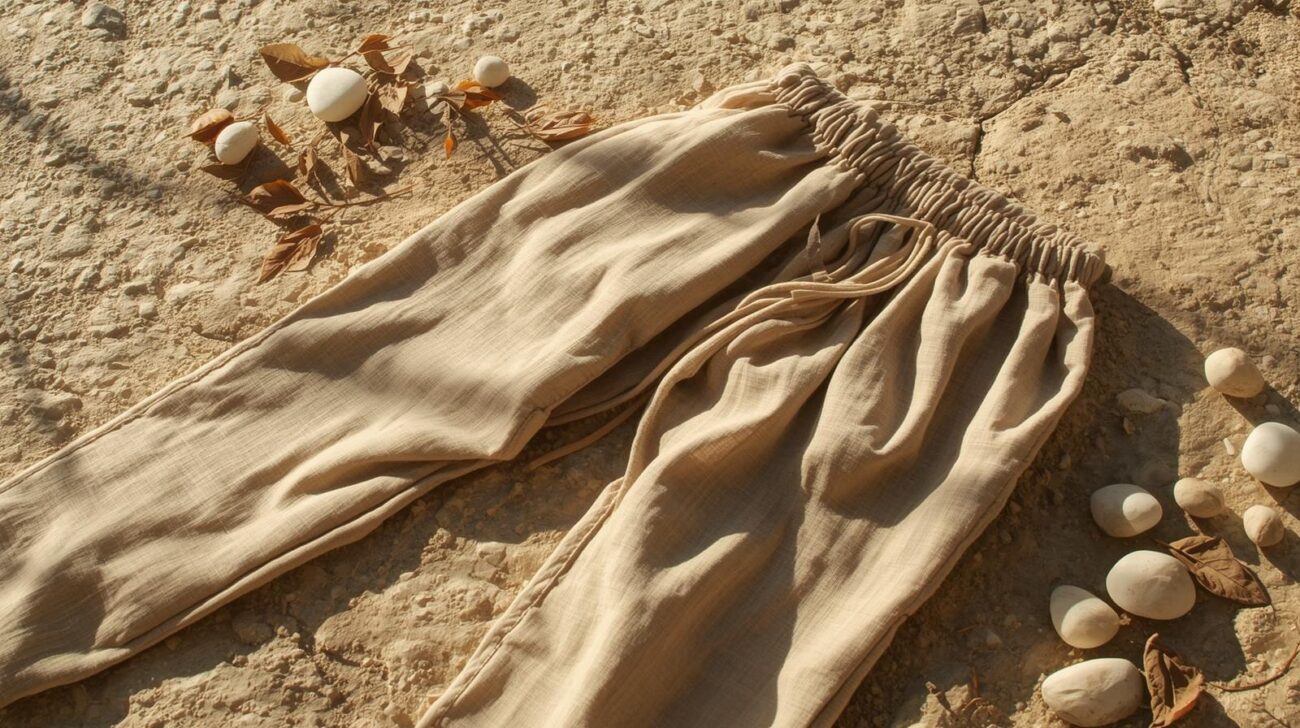
Some practitioners prefer loose pants.
Others enjoy stretch fabrics.
There is no universal answer.
The best choice is the one you stop noticing after a few minutes.
Clothing for Walking Meditation
Walking meditation has gained popularity across Europe and around the world.
Unlike seated meditation, walking meditation involves continuous movement.
Because of this, clothing should allow:
- Easy walking
- Temperature regulation
- Freedom of movement
- Layering options
A lightweight jacket, breathable top, and flexible pants often work well.
Meditation Outfit Ideas for Men
Men often approach meditation clothing from a practical perspective.
Questions commonly include:
- Is it comfortable?
- Can I move freely?
- Will it last?
- Can I wear it for other activities too?
These are excellent questions.
Many modern meditation garments are designed to serve multiple purposes.
A single outfit may work for:
- Meditation
- Yoga
- Travel
- Light exercise
- Remote work
- Relaxation
This versatility has become increasingly important in today’s world.
A Simple Meditation Outfit for Men
A straightforward combination might include:
- Soft joggers
- Breathable T-shirt
- Lightweight hoodie
- Stretch-friendly fabric
Nothing complicated.
Nothing flashy.
Just functional comfort.
Ironically, simplicity often aligns beautifully with the principles of meditation itself.
Why Minimalism and Meditation Go Hand in Hand
Meditation encourages people to focus on what matters.
Minimalism often encourages the same thing.
Both practices ask a similar question:
“What can I remove to create more clarity?”
This philosophy has influenced clothing choices as well.
Many meditation practitioners gradually move toward:
- Fewer garments
- Better quality
- Greater versatility
- Timeless designs
Instead of owning twenty mediocre pieces, they may prefer five excellent ones.
This approach often supports sustainability too.
Building a Minimalist Meditation Wardrobe
Creating a meditation wardrobe does not require an entire closet makeover.
In fact, many people already own several suitable pieces.
A simple meditation wardrobe may include:
Essential Piece #1: Comfortable Bottoms
Examples:
- Joggers
- Yoga pants
- Relaxed trousers
- Stretch-friendly pants
Essential Piece #2: Breathable Tops
Examples:
- Organic cotton T-shirts
- Bamboo tops
- Lightweight long sleeves
Essential Piece #3: Layering Piece
Examples:
- Cardigan
- Hoodie
- Lightweight jacket
Essential Piece #4: Comfortable Socks
Especially useful in cooler climates.
Essential Piece #5: Seasonal Outer Layer
Particularly important for outdoor meditation.
The goal is functionality rather than quantity.
The Psychology of Color in Meditation Clothing
Colors influence perception more than many people realize.
Although meditation ultimately happens internally, color choices can affect mood and atmosphere.
White
Often associated with:
- Simplicity
- Clarity
- Freshness
Blue
Frequently connected with:
- Calmness
- Stability
- Trust
Green
Often linked to:
- Nature
- Balance
- Renewal
Earth Tones
Popular among mindfulness practitioners because they feel grounded and natural.
Black
Offers simplicity and versatility.
Many people prefer black because it removes decision fatigue.
It matches almost everything.
Does Color Really Affect Meditation?
The honest answer is:
Sometimes.
And sometimes not.
Some practitioners care deeply about color psychology.
Others meditate perfectly well while wearing a shirt they received at a company picnic ten years ago.
What matters most is personal comfort and emotional connection.
If a color helps you feel calm, use it.
If it doesn’t matter to you, that’s perfectly fine too.
Meditation is not a color exam.
Seasonal Meditation Clothing
One challenge many people overlook is changing weather.
The perfect meditation outfit in July may feel completely wrong in January.
Spring Meditation Clothing
Spring often involves unpredictable temperatures.
Layering becomes essential.
Consider:
- Light jackets
- Breathable tops
- Flexible pants
Summer Meditation Clothing
Summer clothing should prioritize:
- Breathability
- Moisture management
- Lightweight fabrics
Nobody wants their meditation session interrupted by overheating.
Autumn Meditation Clothing
Autumn often requires adaptable layers.
This season is ideal for:
- Long sleeves
- Light sweaters
- Comfortable outerwear
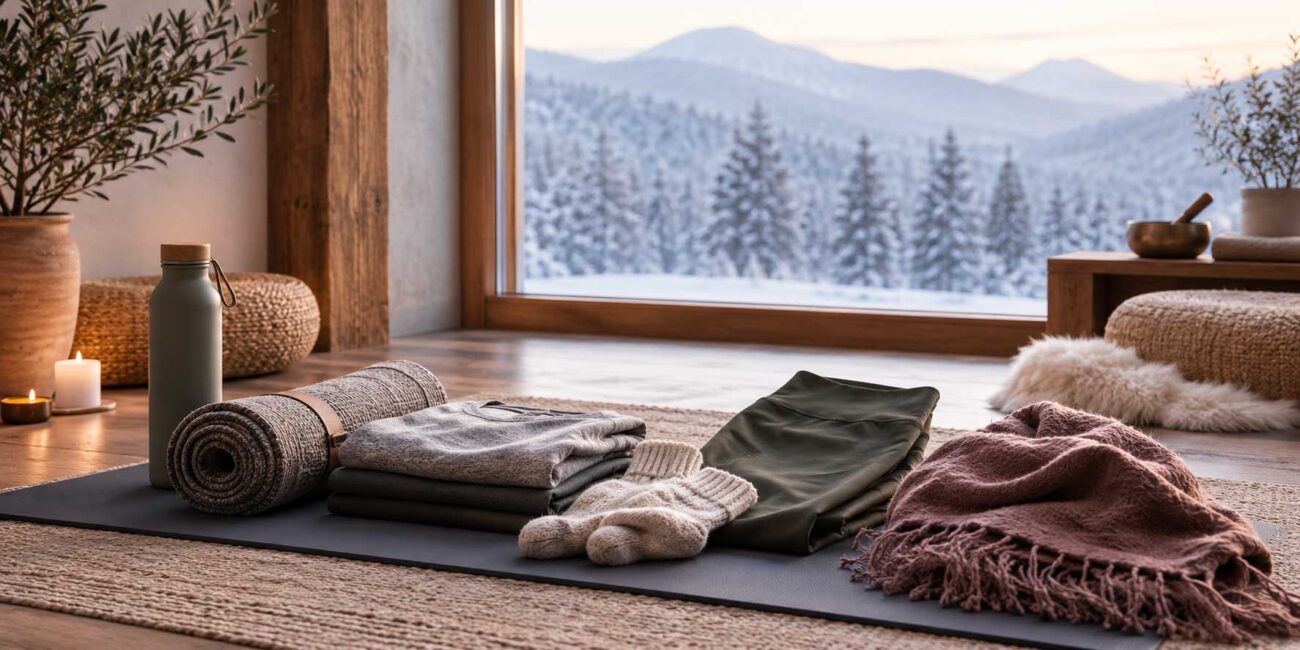
Winter Meditation Clothing
Cold weather introduces unique challenges.
The body can become distracted by temperature discomfort.
Layering helps maintain focus and comfort.
Meditation Clothing for Cold European Winters
Many readers across Europe understand this challenge well.
Meditating during winter in Sweden is a different experience from meditating during summer in Spain.
Climate matters.
For colder environments, consider:
- Thermal base layers
- Soft wool blends
- Insulating outer layers
- Comfortable socks
Warmth supports relaxation.
Shivering generally does not.
Sustainable Fashion Is Growing Across Europe
Europe has become one of the leading regions for sustainable fashion awareness.
Consumers increasingly evaluate products based on:
- Environmental impact
- Manufacturing practices
- Material sourcing
- Product longevity
Recent industry reports show growing demand for ethical and sustainable apparel throughout European markets.
This trend aligns naturally with mindfulness practices.
People who value conscious living often extend those values into purchasing decisions.
Why Fast Fashion Conflicts with Mindful Living
Fast fashion offers convenience.
However, many consumers are becoming more aware of its challenges.
These may include:
- Short product lifespans
- Increased waste
- Resource consumption
- Environmental concerns
Meditation encourages intentional choices.
As a result, many practitioners prefer buying fewer garments with greater durability.
Quality over quantity becomes a guiding principle.
Organic Cotton and Meditation Wear
Organic cotton remains one of the most popular materials within mindful fashion communities.
Why?
Because many people appreciate:
- Softness
- Breathability
- Comfort
- Reduced chemical usage during cultivation
Organic cotton garments often feel particularly comfortable during extended meditation sessions.
For brands focused on conscious living, organic cotton continues to play an important role.
Bamboo Fabrics: Popular but Sometimes Misunderstood
Bamboo clothing has gained significant attention.
Many consumers appreciate bamboo-based fabrics because they often feel:
- Soft
- Smooth
- Lightweight
- Comfortable
However, understanding manufacturing processes is important.
Not all bamboo fabrics are produced in the same way.
Thoughtful consumers increasingly research materials before making purchasing decisions.
This growing awareness reflects broader trends in sustainable fashion.
Meditation Clothing for Sensitive Skin
People with sensitive skin often face additional challenges.
Fabric texture becomes especially important.
Potentially helpful materials may include:
- Organic cotton
- High-quality bamboo blends
- Soft natural fibers
Avoiding irritation helps maintain focus during meditation.
After all, mindfulness becomes much harder when your clothing feels like it is trying to start an argument with your skin.
The Rise of Everyday Wellness Clothing
One of the biggest shifts in modern apparel is the move toward multifunctional clothing.
Consumers increasingly want garments that work across multiple situations.
Today’s meditation outfit may also function as:
- Travel clothing
- Remote work clothing
- Lounge wear
- Casual everyday wear
This flexibility increases value and reduces unnecessary consumption.
Why Versatility Matters More Than Ever
Modern life rarely fits into neat categories.
People move between activities throughout the day.
A versatile wardrobe simplifies those transitions.
Many consumers now prioritize clothing that can move from:
Morning meditation
To a coffee shop
To a work meeting
To an evening walk
Without requiring multiple outfit changes.
This trend has influenced the design philosophy of many mindful lifestyle brands.
The Growing Popularity of Mindful Fashion Brands
Consumers increasingly support brands whose values align with their own.
They want transparency.
They want quality.
They want authenticity.
They want products designed for real life rather than temporary trends.
This shift has created opportunities for brands that combine:
- Sustainability
- Comfort
- Simplicity
- Modern design
For readers interested in exploring contemporary mindful apparel, the UMAHE Wear collection reflects many of these values through a focus on comfortable, versatile, and thoughtfully designed clothing.
Meditation Retreat Packing Tips
Planning a meditation retreat?
Packing wisely can significantly improve comfort.
Consider including:
- Breathable tops
- Comfortable pants
- Layering pieces
- Weather-appropriate outerwear
- Comfortable sleepwear
- Walking shoes
Remember:
Meditation retreats are usually about mindfulness, not fashion shows.
Comfort remains the priority.
When Simplicity Becomes a Luxury
An interesting paradox exists in modern life.
Many people spend years accumulating more things.
Then they discover peace in needing fewer things.
Meditation often highlights this realization.
The same principle frequently applies to clothing.
A carefully selected meditation wardrobe can provide:
- Greater comfort
- Less decision fatigue
- Better quality
- More sustainability
- Increased daily satisfaction
Sometimes the smartest addition to a wardrobe is not another purchase.
Sometimes it is a better choice.
The Real Purpose of a Meditation Outfit
At the end of the day, a meditation outfit has one job.
It should help remove distractions.
It should support comfort.
It should encourage presence.
Whether your preferred outfit consists of premium sustainable apparel or your favorite well-worn sweatshirt, the objective remains the same:
Creating space for mindfulness.
And that is something no label, logo, or trend can accomplish on its own.
Science, Sustainability, Consumer Trends, and the Future of Meditation Clothing
What Science Says About Comfort and Focus
Most people do not think about neuroscience when choosing pants.
They simply ask:
“Are these comfortable?”
Yet science suggests that comfort can influence concentration, mood, and overall experience.
The human brain constantly processes information from the body.
Temperature.
Pressure.
Movement.
Texture.
Even small discomforts can compete for attention.
This is one reason many meditation teachers recommend comfortable clothing.
The goal is not luxury.
The goal is reducing unnecessary distractions.
Imagine trying to enjoy a peaceful sunset while someone repeatedly pokes your shoulder every thirty seconds.
Uncomfortable clothing can create a similar effect.
It keeps demanding attention.
Comfort allows attention to move elsewhere.
The Relationship Between Physical Comfort and Mental Calm
Researchers studying mindfulness often discuss the connection between physical and mental states.
When the body feels excessively tense, the mind frequently follows.
When the body feels supported and comfortable, relaxation becomes easier.
Of course, comfortable clothing cannot solve every problem.
A soft shirt will not automatically eliminate stress.
If it did, laundry rooms would be considered healthcare facilities.
Still, reducing physical discomfort creates a better environment for meditation practice.
Small improvements often add up.
Why Fabric Matters More Than Many People Realize
Fabric influences more than appearance.
It affects:
- Temperature regulation
- Moisture management
- Skin comfort
- Freedom of movement
- Durability
These factors become especially important during longer meditation sessions.
Many experienced practitioners report that they become increasingly selective about fabrics over time.
Not because they become fashion experts.
Because they become more aware.
Meditation tends to sharpen awareness of physical sensations.
Things that once went unnoticed may become more obvious.
Including uncomfortable clothing.
The Wellness Industry Is Growing Worldwide
The global wellness industry has experienced remarkable growth over the past decade.
According to industry reports from organizations such as the Global Wellness Institute, wellness-related sectors continue expanding across many regions.
These sectors include:
- Fitness
- Mindfulness
- Yoga
- Healthy living
- Sustainable fashion
- Mental wellness
Consumers increasingly view wellness as a lifestyle rather than a temporary trend.
This shift influences purchasing behavior.
People often seek products that support long-term well-being rather than short-term convenience.
Meditation clothing fits naturally within this broader movement.
Why Consumers Are Buying Fewer but Better Clothes
An interesting trend has emerged in recent years.
Many consumers are purchasing fewer garments overall.
At the same time, they are often willing to invest more in quality.
This trend appears particularly strong among consumers interested in:
- Sustainability
- Minimalism
- Wellness
- Conscious consumption
Instead of filling closets with inexpensive items that wear out quickly, people increasingly seek garments designed to last.
This approach benefits both consumers and the environment.
Understanding the Cost Per Wear Concept
One useful idea is cost per wear.
Imagine two shirts.
Shirt A costs €15.
It lasts for 15 wears.
Shirt B costs €60.
It lasts for 150 wears.
Which provides better value?
Many consumers automatically focus on the purchase price.
However, cost per wear often tells a different story.
Durable clothing frequently proves more economical over time.
This perspective aligns closely with sustainable fashion principles.
Why Quality Matters in Meditation Clothing
Meditation practitioners often develop strong preferences regarding comfort.
Because they spend time paying attention to subtle sensations, quality becomes increasingly noticeable.
Signs of quality may include:
- Durable stitching
- Consistent construction
- Comfortable seams
- Breathable materials
- Long-lasting elasticity
These details may seem small.
Yet they can significantly influence long-term satisfaction.
How to Identify High-Quality Meditation Clothing
Not everyone has a textile engineering degree.
Fortunately, identifying quality does not require one.
Here are several practical indicators:
Examine the Fabric
Does it feel comfortable?
Does it recover its shape after stretching?
Does it seem durable?
Check the Stitching
Well-made garments typically feature consistent stitching and reinforced construction.
Consider the Brand’s Philosophy
Transparent brands often provide information about:
- Materials
- Manufacturing
- Sustainability practices
Read Customer Feedback
Real-world experiences often reveal useful insights.
The Growing Interest in Ethical Fashion
Ethical fashion has become a major topic throughout Europe and beyond.
Consumers increasingly ask questions such as:
- Who made this garment?
- Under what conditions?
- Were workers treated fairly?
- Is the production process transparent?
These questions reflect broader cultural shifts.
People want purchases to align with personal values.
Meditation communities often demonstrate particularly strong interest in ethical consumption.
Sustainable Fashion Is No Longer a Niche Market
A decade ago, sustainable fashion was often viewed as a specialized category.
Today, it has entered the mainstream.
Major retailers.
Luxury brands.
Independent designers.
Small wellness companies.
All increasingly engage with sustainability conversations.
Consumer demand continues driving innovation.
How Meditation Encourages Conscious Consumption
Meditation does not tell people what to buy.
However, it often changes how they think about buying.
Many practitioners report becoming more intentional over time.
They may begin asking:
- Do I really need this?
- Will I use it?
- Does it align with my values?
- Will it last?
These questions often lead to more thoughtful purchasing decisions.
Building a Long-Lasting Meditation Wardrobe
Creating a durable wardrobe does not happen overnight.
It develops gradually.
The process might look like this:
Step 1: Prioritize Essentials
Start with versatile pieces.
Step 2: Focus on Quality
Choose garments designed for long-term use.
Step 3: Avoid Impulse Purchases
Trends change quickly.
Comfort rarely goes out of style.
Step 4: Care for Your Clothing Properly
Good maintenance extends lifespan significantly.
How to Make Your Meditation Clothing Last Longer
Simple habits can dramatically improve garment longevity.
Examples include:
- Following care instructions
- Washing in cold water when appropriate
- Avoiding excessive heat
- Storing garments properly
- Repairing minor damage early
These practices benefit both consumers and the environment.
The Rise of Slow Fashion
Slow fashion represents an alternative approach to clothing consumption.
Instead of emphasizing constant purchasing, slow fashion focuses on:
- Quality
- Longevity
- Sustainability
- Thoughtful design
Interestingly, slow fashion and meditation share similar themes.
Both encourage intentionality.
Both value quality over quantity.
Both emphasize awareness.
Why Modern Consumers Want Versatility
Versatility has become one of the most desirable clothing characteristics.
Consumers increasingly expect garments to serve multiple purposes.
A meditation outfit today may also function as:
- Travel wear
- Casual wear
- Lounge wear
- Yoga clothing
- Remote work attire
This flexibility increases practicality and value.
The Influence of Remote Work on Clothing Choices
Remote work has transformed wardrobes worldwide.
Millions of people now spend more time at home than previous generations.
As a result, comfort has become increasingly important.
Consumers often seek clothing that feels comfortable enough for home while remaining presentable for daily activities.
This shift has contributed to the growth of wellness-inspired apparel.
Why Europe Has Become a Major Sustainable Fashion Market
Europe continues leading many sustainability initiatives.
Consumers across countries such as:
- Germany
- Sweden
- Denmark
- Netherlands
- France
often demonstrate strong interest in environmentally conscious products.
This trend extends into activewear, yoga clothing, and meditation apparel.
Brands emphasizing transparency and sustainability frequently resonate with these audiences.
What Younger Consumers Expect From Fashion Brands
Generation Z and younger Millennials have influenced the fashion industry significantly.
Research consistently shows that many younger consumers value:
- Sustainability
- Authenticity
- Transparency
- Ethical production
- Brand values
Price remains important.
However, values increasingly influence purchasing decisions as well.
The Future of Meditation Clothing
Looking ahead, several trends appear likely to continue growing.
Sustainable Materials
Innovation in eco-friendly textiles continues advancing.
Transparent Supply Chains
Consumers increasingly expect visibility into production processes.
Multifunctional Design
Versatility remains a priority.
Comfort-Centered Innovation
Comfort is becoming a central design focus across many apparel categories.
Digital Shopping Experiences
Technology continues influencing how consumers discover and evaluate products.
Why Authenticity Matters More Than Marketing
Modern consumers are increasingly skilled at recognizing exaggerated marketing claims.
They often prefer honesty over perfection.
Brands that communicate transparently tend to build stronger long-term trust.
This is particularly true within wellness communities.
Meditation encourages authenticity.
Consumers frequently expect the same from brands they support.
The Connection Between Clothing and Identity
Clothing communicates identity.
Not necessarily to others.
Sometimes to ourselves.
A meditation outfit may represent:
- Simplicity
- Wellness
- Sustainability
- Personal growth
- Intentional living
These meanings vary between individuals.
Yet they often contribute to the emotional value of clothing.
A Simple Question Worth Asking
Before purchasing any meditation clothing, ask yourself:
“Will this support my practice?”
Not:
“Will this impress strangers?”
Not:
“Will this look good in a social media photo?”
Simply:
“Will this support my practice?”
That question often leads to surprisingly good decisions.
Why the Best Meditation Outfit Is the One You Forget You’re Wearing
Perhaps the ultimate goal of meditation clothing is becoming invisible.
Not literally, of course.
That would create entirely different problems.
Instead, the best meditation outfit fades into the background.
It does not distract.
It does not irritate.
It does not demand attention.
It simply supports the experience.
And in many ways, that is exactly what mindfulness is about:
Removing unnecessary noise so attention can rest on what truly matters.
Frequently Asked Questions About Meditation Outfits
Do I Need Special Clothing for Meditation?
No.
You can meditate wearing almost any comfortable clothing.
However, dedicated meditation clothing often improves comfort, reduces distractions, and helps establish a consistent mindfulness routine.
The purpose is not fashion.
The purpose is focus.
What Is the Best Fabric for a Meditation Outfit?
There is no universal answer because preferences differ.
Many practitioners enjoy:
- Organic cotton
- Bamboo-based fabrics
- Hemp blends
- Soft modal fabrics
- Breathable natural fibers
The most important factor is comfort against the skin.
Can I Wear Yoga Clothes for Meditation?
Absolutely.
Many yoga garments work very well for meditation.
Both activities benefit from:
- Flexibility
- Breathability
- Comfort
- Ease of movement
In fact, many people use the same wardrobe for both practices.
Is Loose Clothing Better Than Tight Clothing?
Not necessarily.
Some practitioners prefer loose garments.
Others feel more comfortable in fitted apparel.
The key is avoiding restriction.
If clothing interferes with movement or breathing, it may become distracting.
What Colors Are Best for Meditation Clothing?
Popular choices include:
- White
- Beige
- Gray
- Blue
- Green
- Earth tones
However, color preference is highly personal.
The best color is often the one that helps you feel relaxed and comfortable.
Can Meditation Clothing Be Stylish?
Of course.
Comfort and style are not enemies.
Modern mindful apparel often combines:
- Functional design
- Contemporary aesthetics
- Sustainable materials
- Everyday versatility
Many garments transition easily between meditation, travel, work, and casual activities.
Should Beginners Invest in Expensive Meditation Clothing?
Not immediately.
Beginners should first focus on building a meditation habit.
A consistent practice matters far more than a premium wardrobe.
As your practice evolves, you may choose to invest in higher-quality garments that align with your needs and values.
How Many Meditation Outfits Do I Need?
Far fewer than most people expect.
A small collection of versatile pieces is usually sufficient.
Many experienced practitioners prefer a minimalist wardrobe consisting of:
- A few comfortable tops
- Several versatile bottoms
- Seasonal layering pieces
Quality often matters more than quantity.
Are Sustainable Meditation Clothes Worth It?
For many consumers, yes.
Sustainable garments often emphasize:
- Durability
- Responsible sourcing
- Ethical manufacturing
- Long-term value
While initial prices may sometimes be higher, many buyers appreciate the overall benefits.
What Should I Wear for a Meditation Retreat?
Consider:
- Comfortable layers
- Breathable fabrics
- Weather-appropriate outerwear
- Flexible clothing for movement
Retreat environments vary significantly, so preparation is important.
Meditation Outfit Shopping Guide for Beginners
If you are purchasing your first meditation outfit, the process does not need to be complicated.
Focus on the following priorities.
Comfort First
Always start with comfort.
The most stylish outfit in the world becomes useless if it distracts you during practice.
Choose Breathable Fabrics
Good airflow improves comfort during longer sessions.
Think Beyond Meditation
Versatile clothing offers greater value.
Look for pieces suitable for:
- Meditation
- Travel
- Yoga
- Relaxation
- Everyday life
Prioritize Quality
Well-made garments often last longer and perform better.
Buy Intentionally
Avoid impulse purchases.
Choose items that genuinely support your lifestyle.
Meditation Clothing for Different Body Types
One of the most positive developments in modern apparel is increased inclusivity.
Meditation is for everybody.
And meditation clothing should be too.
Regardless of body shape or size, focus on:
- Comfort
- Freedom of movement
- Breathability
- Personal preference
There is no perfect body type for meditation.
And there is no perfect meditation outfit.
Only the right outfit for you.
Why Mindful Clothing Is About More Than Appearance
Many people begin searching for meditation clothing because they want something comfortable.
Over time, however, the conversation often becomes larger.
Clothing choices can reflect:
- Personal values
- Sustainability goals
- Wellness priorities
- Lifestyle preferences
A meditation outfit becomes part of a broader commitment to intentional living.
That does not mean every purchase must be perfect.
It simply means making thoughtful decisions whenever possible.
Practical Meditation Outfit Checklist
Before purchasing any garment, ask:
- Is it comfortable?
- Can I move freely?
- Does it breathe well?
- Will it work in different situations?
- Is it durable?
- Does it align with my values?
- Will I still enjoy wearing it next year?
If the answer is yes to most of these questions, you are likely making a smart choice.
How UMAHE Wear Fits Into the Mindful Lifestyle Movement
The modern wellness movement continues evolving.
Consumers increasingly seek clothing that supports comfort, simplicity, sustainability, and everyday versatility.
For individuals interested in mindful apparel that aligns with these principles, UMAHE Wear offers a contemporary approach to lifestyle clothing inspired by comfort, intentional design, and everyday functionality.
Whether someone is practicing meditation, traveling, working remotely, or simply enjoying a slower pace of life, versatile clothing can help support those experiences.
As consumer preferences continue shifting toward quality and conscious consumption, brands that emphasize authenticity and thoughtful design are likely to remain increasingly relevant.
Final Thoughts
The search for the perfect meditation outfit often begins with a simple question:
“What should I wear while meditating?”
Yet the answer reveals something much deeper.
Meditation clothing is not really about clothing.
It is about creating an environment that supports mindfulness.
Comfortable fabrics.
Freedom of movement.
Breathable materials.
Thoughtful design.
These features help remove distractions so attention can focus on the present moment.
Throughout this guide, we explored the relationship between meditation, comfort, sustainability, consumer trends, psychology, fabric choices, and mindful living. We examined why more people around the world are embracing intentional lifestyles and why clothing has become part of that journey.
We also discovered that the best meditation outfit is rarely the most expensive one.
It is the one that feels comfortable.
The one that supports your practice.
The one that fits naturally into your daily life.
For some people, that may mean a minimalist wardrobe built around a few versatile pieces.
For others, it may involve carefully chosen sustainable garments designed to last for years.
There is no single correct path.
The most important thing is finding clothing that allows you to feel present, comfortable, and authentic.
In a world that constantly demands attention, mindfulness offers an opportunity to slow down.
And when your clothing supports that experience rather than competing with it, the journey often becomes a little easier.
References
- Global Wellness Institute – Wellness Economy Research
- World Health Organization (WHO) – Mental Health Resources
- Harvard Health Publishing – Mindfulness Meditation Research
- American Psychological Association (APA)
- National Center for Complementary and Integrative Health (NCCIH)
- United Nations Environment Programme – Sustainable Fashion
- European Environment Agency – Textiles and Sustainability
- McKinsey State of Fashion Reports
- Textile Exchange – Sustainable Materials Research
- Mindful.org – Meditation and Mindfulness Resources