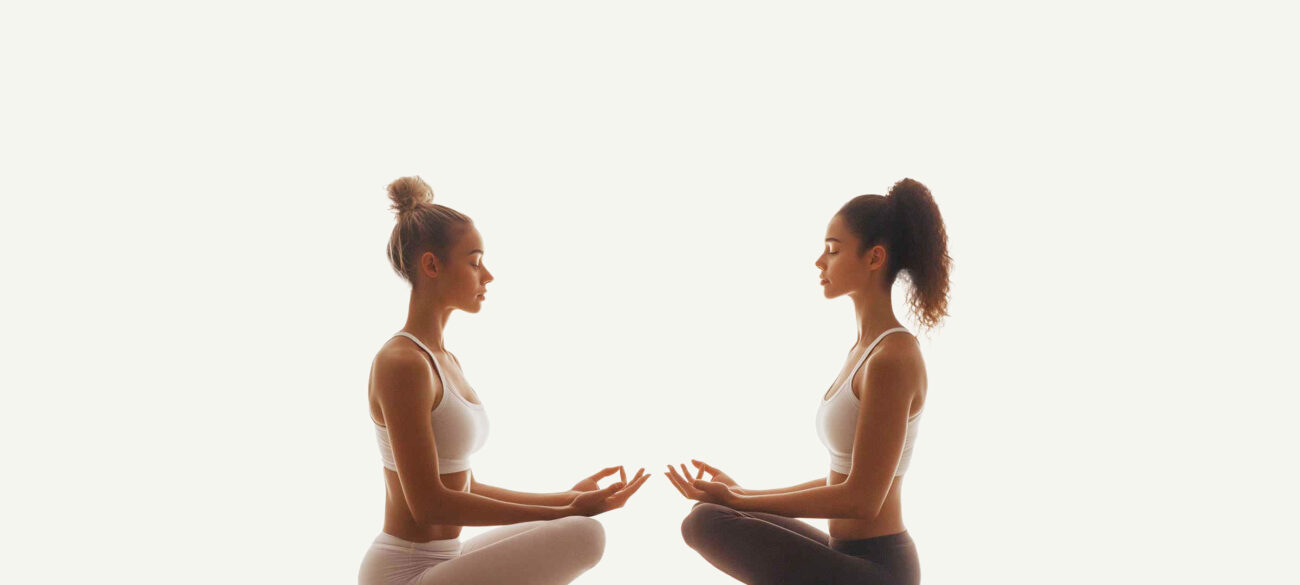
Breathable vs. Compression Yoga Clothes: Find Your Perfect Fit


Breathable vs. Compression Yoga Clothes: The Ultimate Guide to Choosing the Best Yoga Wear for Your Body Type
Have you ever stepped into a yoga class and noticed that everyone seems to be wearing something completely different?
One person is dressed in lightweight, flowy clothing that moves like a gentle breeze.
Another person is wearing sleek compression leggings that look like they were engineered by a team of aerospace scientists.
Meanwhile, you’re standing there wondering:
“Does any of this actually matter?”
The short answer is yes.
The longer answer is much more interesting.
Choosing the right yoga clothes is not simply about fashion. It’s about comfort, performance, confidence, temperature regulation, mobility, and even psychology.
In recent years, yoga has transformed from a niche wellness activity into a global lifestyle movement. According to industry reports, tens of millions of people practice yoga regularly across North America and Europe, while participation continues growing worldwide. Yoga clothing has become one of the fastest-growing segments of the activewear industry as consumers increasingly seek apparel that combines comfort, function, and style. (Under Armour)
Yet despite the enormous number of yoga products available, one question remains surprisingly difficult:
Should you choose breathable yoga clothes or compression yoga clothes?
The answer depends on your body type, your practice style, your personal comfort preferences, and even the climate where you live.
In this guide, we’ll break everything down in simple language.
No complicated textile engineering.
No confusing sports science jargon.
Just practical advice that helps real people make better choices.
And yes, there might be a few laughs along the way.
Because let’s be honest:
Many of us have spent far more time shopping for yoga clothes than actually practicing yoga.
Why Your Yoga Clothes Matter More Than You Think
Many beginners assume yoga clothing is mostly about appearance.
That assumption usually disappears around the first downward dog.
Suddenly your oversized shirt is sliding over your face.
Your waistband is rolling down.
Your shorts are riding up.
And you’re spending more time adjusting your clothes than focusing on your breathing.
Good yoga clothing should become almost invisible during practice.
You shouldn’t be constantly thinking about what you’re wearing.
Instead, your clothing should support movement, regulate temperature, and help you feel comfortable in every pose. Modern yoga apparel is specifically designed to provide flexibility, stretch, and freedom of movement across a wide range of positions. (Under Armour)
The best yoga outfit is often the one you stop noticing entirely.
The Great Debate: Breathable vs. Compression
Before we compare them, let’s define both categories.
What Are Breathable Yoga Clothes?
Breathable yoga clothes are designed primarily to improve airflow and comfort.
Their goal is simple:
Help your body stay cool.
Help sweat evaporate faster.
Reduce that sticky feeling that nobody enjoys.
Breathable clothing often includes:
- Lightweight leggings
- Relaxed-fit tops
- Loose tanks
- Moisture-wicking fabrics
- Natural fibers or advanced performance textiles
Many yoga practitioners prefer breathable clothing because it feels unrestricted and natural.
Imagine opening a window on a warm spring day.
That’s essentially what breathable clothing tries to do for your body.
What Are Compression Yoga Clothes?
Compression clothing works differently.
Instead of maximizing airflow, compression garments provide gentle pressure against the muscles.
These garments typically include:
- Compression leggings
- Compression shorts
- Fitted yoga tops
- High-support activewear
Compression wear creates a close-to-body fit that many athletes appreciate.
Some practitioners report feeling more supported and stable while wearing compression apparel, particularly during dynamic yoga styles and high-intensity workouts. (Yoha)
Think of compression clothing as a supportive hug.
Not the awkward hug from a distant relative.
The comfortable kind.
Understanding Your Body Type Before Buying Yoga Clothes
One of the biggest mistakes people make is shopping based entirely on trends.
A celebrity wears something.
An influencer recommends it.
A social media ad appears.
Suddenly you’re buying leggings designed for someone whose lifestyle looks nothing like yours.
Instead, start with your own body.
The Athletic Body Type
Athletic body types often have:
- Broad shoulders
- Strong legs
- Defined muscles
- Balanced proportions
For athletic builds, compression clothing frequently performs well because it complements existing muscle structure and provides a streamlined fit.
However, breathable clothing can also work beautifully for recovery-focused yoga sessions.
The key is matching clothing to activity intensity.
The Curvy Body Type
Curvy practitioners often prioritize:
- Comfort
- Coverage
- Stability
- Waistband security
Many people with curvier body shapes appreciate moderate compression because it reduces fabric shifting during movement.
The goal isn’t squeezing the body.
The goal is creating confidence and comfort.
A properly fitted compression garment should feel supportive, not restrictive.
The Petite Body Type
Petite practitioners face unique challenges.
Oversized clothing can bunch up.
Loose pants may create distractions.
Excess fabric often interferes with movement.
For smaller frames, lightweight breathable clothing with a tailored fit frequently provides an ideal balance between comfort and mobility.
The Tall Body Type
Tall individuals often struggle to find:
- Proper inseam lengths
- Long enough tops
- Balanced proportions
Breathable fabrics often work particularly well because they enhance comfort during longer practice sessions.
However, many tall practitioners also enjoy compression leggings because they remain securely in place during movement.
The Plus-Size Body Type
The activewear industry has improved dramatically in recent years regarding inclusivity.
Many modern brands now create yoga clothing specifically designed for diverse body shapes and sizes. Comfort-focused brands have increasingly emphasized inclusive sizing and body-positive design approaches. (UMAHE WEAR)
For plus-size practitioners, the ideal solution often combines:
- Strategic compression
- Breathable fabrics
- Flexible construction
- Wide waistbands
Support and comfort should always work together.
Never against each other.
The Science of Sweat: Why Breathability Matters
Let’s discuss something glamorous.
Sweat.
Not exactly dinner-table conversation.
But very relevant to yoga.
When your body temperature rises, sweat helps cool the body through evaporation.
If your clothing traps moisture, that cooling process becomes less effective.
That’s why breathable fabrics matter.
They help:
- Improve airflow
- Reduce overheating
- Increase comfort
- Minimize skin irritation
Recent activewear design trends have increasingly focused on moisture management technologies because consumers consistently rank comfort among the most important purchasing factors. (Yoha)
Interestingly, comfort often outranks fashion in long-term customer satisfaction.
Although social media might suggest otherwise.
Breathable Fabrics Worth Knowing
Not all breathable fabrics are created equal.
Cotton
Cotton feels soft and natural.
Many people love it.
However, cotton absorbs moisture and dries slowly.
For gentle yoga, cotton can work wonderfully.
For hot yoga?
Not so much.
Imagine practicing while wrapped in a damp towel.
Not ideal.
Bamboo Fabrics
Bamboo-based textiles have become increasingly popular.
Benefits often include:
- Soft texture
- Good breathability
- Natural feel
Many environmentally conscious consumers appreciate bamboo’s sustainability potential.
Performance Polyester Blends
Modern polyester isn’t what it used to be.
Advanced moisture-wicking fabrics are engineered specifically for athletic performance.
Benefits include:
- Quick drying
- Lightweight feel
- Durability
- Stretch
Many premium activewear brands rely heavily on these materials. (UMAHE WEAR)
Recycled Technical Fabrics
Sustainability is becoming increasingly important in activewear purchasing decisions.
Consumers across Europe and North America are showing growing interest in environmentally responsible apparel. (UMAHE WEAR)
This trend has encouraged brands to develop high-performance recycled materials that combine comfort with environmental awareness.
When Breathable Clothing Is the Better Choice
Breathable yoga clothing often shines in these situations:
Hot Weather
If summer feels like living inside an oven, breathable clothing is your friend.
Hot Yoga Classes
Hot yoga environments demand moisture management.
Every degree matters.
Beginner Yoga
New practitioners frequently prioritize comfort over performance features.
Breathable clothing provides an easy starting point.
Relaxation-Focused Practices
Styles such as gentle yoga and restorative yoga often pair beautifully with lightweight clothing.
The practice itself emphasizes ease.
Your clothing can reflect that philosophy.
What We’ll Cover Next
In the next section of this guide, we’ll explore:
- The real benefits of compression yoga clothing
- Whether compression improves performance
- Common myths about compression wear
- How different yoga styles influence clothing choices
- The best options for men and women
- Body-type-specific recommendations
- Buying mistakes to avoid
- How to build a yoga wardrobe without overspending
- Sustainable yoga clothing trends
- Internal recommendations from UMAHE collections and style philosophy
Before you buy your next pair of yoga leggings, remember this:
The goal isn’t to look like someone else.
The goal is to find clothing that helps you feel comfortable, confident, and fully present on your mat.
And that’s something no trend can decide for you.
Compression Yoga Clothes: What They Really Do (and What They Don’t)
Walk into any modern activewear store and you’ll quickly notice a trend.
Compression clothing is everywhere.
Compression leggings.
Compression tops.
Compression shorts.
Compression sleeves.
At this rate, it sometimes feels as if someone might invent compression socks for your yoga mat.
The popularity of compression apparel has grown dramatically over the past decade. Professional athletes, fitness enthusiasts, runners, cyclists, and yoga practitioners have all contributed to the trend.
But here’s an important question:
Are compression yoga clothes genuinely better, or are they simply another fitness fashion trend?
The answer sits somewhere in the middle.
Let’s separate facts from marketing.
What Compression Clothing Actually Does
Compression garments apply gentle pressure to specific areas of the body.
Unlike ordinary leggings or loose athletic wear, compression clothing stays close to the skin.
This creates several practical benefits:
- Reduced fabric movement
- Improved support during dynamic motion
- Better muscle awareness
- Secure fit during inversions
- Less bunching and rolling
For yoga practitioners, one of the biggest advantages is stability.
Imagine moving from Warrior III into Half Moon Pose.
You are balancing on one leg.
Your concentration is already working overtime.
The last thing you need is a waistband sliding downward like a rebellious teenager.
Compression clothing often solves this problem.
The Biggest Myth About Compression Wear
One common misconception is that compression clothing instantly improves athletic performance.
Reality is more nuanced.
Scientific studies have found mixed results regarding performance enhancement. While some athletes report feeling more supported and comfortable, the performance gains themselves are often modest.
What matters most is perceived comfort.
And that matters more than many people realize.
If clothing makes you feel confident and secure, your overall experience often improves.
In yoga, mental comfort is almost as important as physical comfort.
Compression and Body Awareness
Yoga teaches awareness.
Awareness of breathing.
Awareness of posture.
Awareness of movement.
Compression clothing may support this awareness by providing consistent contact with the body.
Many practitioners describe the sensation as receiving gentle feedback from the fabric.
You become more aware of:
- Hip alignment
- Knee positioning
- Core engagement
- Leg movement
This can be especially helpful for beginners learning proper form.
Why Many Teachers Prefer Fitted Clothing
If you’ve attended yoga classes before, you may have noticed that many instructors wear fitted apparel.
There is a practical reason.
Loose clothing can hide alignment.
Teachers often need to observe body positioning to provide guidance safely.
Compression garments make alignment easier to see.
This doesn’t mean everyone must wear skin-tight clothing.
It simply explains why fitted activewear remains popular in studio environments.
Compression Clothing and Different Yoga Styles
Not all yoga is the same.
A restorative class feels very different from a power yoga session.
Your clothing should reflect that reality.
Hatha Yoga
Hatha yoga generally involves slower movement and longer holds.
Both breathable and compression clothing work well here.
Your choice depends largely on personal preference.
Vinyasa Yoga
Vinyasa involves continuous movement.
Transitions happen frequently.
Compression clothing often performs exceptionally well because it remains stable throughout the flow.
Less adjustment.
More movement.
Power Yoga
Power yoga introduces greater intensity.
Expect more sweat.
More movement.
More physical demands.
Many practitioners prefer moderate compression combined with moisture-wicking fabrics.
Hot Yoga
This is where things become interesting.
Hot yoga requires careful clothing selection.
Too much compression may feel restrictive when temperatures rise.
Too little structure may lead to discomfort during sweaty conditions.
Many experienced practitioners choose lightweight compression fabrics specifically designed for heat management.
Yin Yoga
Yin yoga emphasizes stillness.
Long holds.
Deep stretching.
Relaxation.
Breathable clothing often becomes the preferred option because comfort takes priority over support.
Which Body Types Benefit Most from Compression?
There is no universal answer.
However, certain patterns appear consistently.
Athletic Builds
Athletic individuals often enjoy compression clothing because it complements muscular structure.
Benefits may include:
- Enhanced support
- Streamlined movement
- Reduced fabric shifting
Curvier Body Shapes
Many curvier practitioners appreciate compression leggings because they provide a secure feeling during movement.
High-rise compression waistbands are particularly popular.
The key word here is secure.
Not restrictive.
Beginners
Surprisingly, beginners often benefit significantly from compression apparel.
Why?
Because beginners spend less time worrying about wardrobe malfunctions.
Confidence matters.
If clothing helps you focus on yoga instead of adjustments, it is doing its job.
Experienced Yogis
Experienced practitioners frequently develop strong preferences.
Some swear by compression.
Others prefer ultra-light breathable apparel.
At this stage, comfort becomes highly individual.
When Breathable Clothing Wins
To be fair, compression isn’t always the champion.
There are situations where breathable clothing clearly comes out ahead.
During Travel
Travel-friendly yoga clothing should be comfortable for long periods.
Breathable fabrics generally perform better during flights, road trips, and extended wear.
Warm Climates
People living in southern Europe, the Middle East, Australia, and tropical regions often prioritize cooling performance.
Breathability becomes increasingly valuable as temperatures rise.
Recovery Days
Not every yoga session needs maximum support.
Sometimes your body wants softness.
Sometimes your mind wants simplicity.
Sometimes you just want pants that feel like clouds.
Those are breathable-clothing days.
The Psychology of Yoga Clothing
This topic rarely receives enough attention.
What you wear affects how you feel.
Researchers have long explored a concept called “enclothed cognition.”
In simple terms:
Clothing can influence mindset.
When people wear clothing associated with confidence, competence, or performance, their behavior often changes accordingly.
Yoga apparel works similarly.
The right outfit can make you feel:
- More confident
- More focused
- More comfortable
- More motivated
This doesn’t mean expensive clothing creates better yoga practice.
It means comfortable clothing removes distractions.
And fewer distractions support better experiences.
Common Buying Mistakes
Let’s save you some money.
And perhaps a little frustration.
Mistake #1: Buying Based on Social Media
That influencer might look fantastic.
But remember:
Their body is not your body.
Their goals are not your goals.
Their wardrobe budget may also be larger than your monthly rent.
Choose clothing that serves your needs.
Not someone else’s marketing campaign.
Mistake #2: Choosing Size Based on Ego
This happens surprisingly often.
Yoga clothes should fit your body today.
Not the body you had five years ago.
Not the body you hope to have next year.
The body you have right now deserves comfort.
Mistake #3: Ignoring Fabric Composition
Always check materials.
A garment that looks amazing online may feel completely different during practice.
Understanding fabric blends helps avoid disappointment.
Mistake #4: Prioritizing Style Over Function
A beautiful outfit that causes discomfort quickly becomes an expensive mistake.
Performance should always come first.
Style comes second.
Fortunately, modern activewear often delivers both.
Breathable vs. Compression: Side-by-Side Comparison
| Feature | Breathable Yoga Clothes | Compression Yoga Clothes |
|---|---|---|
| Airflow | Excellent | Moderate |
| Support | Low to Moderate | High |
| Heat Management | Excellent | Good |
| Muscle Awareness | Moderate | High |
| Flexibility | Excellent | Excellent |
| Stability During Movement | Moderate | Excellent |
| Comfort During Recovery | Excellent | Good |
| Best for Beginners | Excellent | Very Good |
| Best for Hot Yoga | Excellent | Good |
| Best for Dynamic Yoga | Good | Excellent |
How Men Should Approach the Decision
Men entering yoga often start with basic gym shorts.
There is nothing wrong with that.
However, yoga presents unique movement requirements.
Deep lunges.
Wide stances.
Inversions.
Twists.
Standard gym shorts may not always provide ideal coverage or flexibility.
Many men discover that:
- Breathable shorts work well for casual practice.
- Compression liners improve support.
- Hybrid designs offer the best balance.
This topic will be explored more deeply in our upcoming article:
“Yoga Clothes for Men: Finding the Right Fit Beyond Basic Shorts.”
Why Sustainability Is Becoming a Major Factor
Consumers today increasingly care about where clothing comes from.
Especially in Europe.
Questions that shoppers ask include:
- Was this fabric recycled?
- How was it manufactured?
- Is the brand transparent?
- How long will the garment last?
Sustainability is no longer a niche concern.
It is becoming a mainstream purchasing factor.
Many activewear brands now use:
- Recycled polyester
- Organic cotton
- Bamboo fabrics
- Low-impact dyes
For shoppers interested in eco-conscious choices, this trend creates more options than ever before.
The UMAHE Approach to Yoga Clothing
At UMAHE WEAR, yoga apparel is viewed as more than sportswear.
It is part of a lifestyle centered on wellness, confidence, movement, and self-expression.
As discussed in UMAHE’s article on yoga clothing color psychology, the colors we wear can influence mood, energy, and perception. Combining thoughtful color choices with the right fabric technology allows practitioners to create a more personalized yoga experience.
Likewise, UMAHE’s comparison of leading yoga brands highlights how modern consumers increasingly seek a balance between comfort, aesthetics, performance, and value.
The future of yoga clothing is not about choosing between fashion and function.
It is about combining both.
Frequently Asked Questions About Breathable and Compression Yoga Clothes
Are breathable yoga clothes better than compression yoga clothes?
Neither option is universally better.
Breathable yoga clothes are generally preferred for:
- Hot weather
- Hot yoga classes
- Relaxed yoga styles
- Beginners seeking comfort
Compression yoga clothes are often preferred for:
- Dynamic yoga styles
- Vinyasa yoga
- Power yoga
- Practitioners seeking additional support
The best choice depends on your body type, comfort preferences, and yoga practice style.
Can compression leggings improve yoga performance?
Compression leggings may improve comfort, stability, and body awareness during movement.
However, scientific evidence suggests that performance improvements are often modest.
Most practitioners report benefits related to:
- Confidence
- Support
- Reduced clothing movement
- Improved comfort
These factors can positively influence the overall yoga experience.
Are breathable yoga clothes good for hot yoga?
Yes.
Breathable yoga clothes are often one of the best choices for hot yoga environments.
Look for fabrics that offer:
- Moisture-wicking properties
- Quick drying
- Lightweight construction
- Excellent airflow
These features help improve comfort during intense sweating.
Which fabrics are best for yoga clothes?
Popular yoga fabrics include:
Synthetic Performance Fabrics
- Polyester blends
- Nylon blends
- Elastane combinations
Benefits include:
- Moisture management
- Stretch
- Durability
Natural-Based Fabrics
- Organic cotton
- Bamboo-derived fabrics
Benefits include:
- Soft feel
- Breathability
- Everyday comfort
The ideal fabric depends on your practice intensity and climate.
Should beginners wear compression leggings?
Many beginners find compression leggings helpful because they:
- Stay in place
- Reduce distractions
- Improve confidence
- Support movement
That said, breathable leggings can be equally effective for beginners who prioritize comfort and airflow.
How tight should compression yoga clothes feel?
Compression garments should feel supportive.
They should never feel painful.
You should be able to:
- Move freely
- Breathe comfortably
- Complete deep stretches
If you experience numbness, discomfort, or restricted movement, the garment is likely too tight.
Are expensive yoga clothes worth it?
Not always.
Price does not automatically equal quality.
However, premium products often provide:
- Better materials
- Improved durability
- Superior stitching
- Longer lifespan
The most important factor is value rather than price alone.
What is the best yoga clothing combination for most people?
For many practitioners, the most balanced setup includes:
- Breathable moisture-wicking top
- Moderate compression leggings
This combination provides:
- Airflow
- Support
- Stability
- Comfort
Which is why it remains one of the most popular choices globally.
Expert Buying Recommendations
If you are shopping for yoga clothing today, follow these practical recommendations.
Choose Function First
Before considering color, branding, or trends, ask:
“What problem am I trying to solve?”
Examples:
- Staying cool?
- Improving support?
- Increasing confidence?
- Enhancing mobility?
The answer should guide your purchase.
Test Movement Before Purchasing
Whenever possible, perform simple movements:
- Squats
- Lunges
- Forward folds
Good yoga clothing should remain comfortable throughout the entire range of motion.
Prioritize Fabric Quality
High-quality fabric often determines:
- Comfort
- Durability
- Performance
Far more than logos or marketing claims.
Build Your Collection Gradually
You do not need ten pairs of leggings on day one.
Start with essentials.
Learn what works.
Expand over time.
Your future self (and your wallet) will appreciate the strategy.
How This Topic Connects to UMAHE WEAR
At UMAHE WEAR, yoga apparel is viewed through a holistic lens.
Modern yoga clothing is no longer just athletic equipment.
It represents a combination of:
- Wellness
- Personal expression
- Comfort
- Sustainability
- Performance
Readers interested in developing a deeper understanding of yoga apparel may also benefit from exploring related UMAHE content, including discussions on yoga clothing color psychology and comparisons between leading activewear brands.
Together, these resources help consumers make more informed purchasing decisions while building a yoga wardrobe that reflects both functionality and personal style.
Summary
Choosing between breathable and compression yoga clothes is not about discovering a single universal winner.
Both categories offer meaningful advantages.
Breathable yoga clothes excel in airflow, temperature regulation, and relaxed comfort. They are often ideal for hot weather, hot yoga, beginner practitioners, and anyone who values unrestricted movement.
Compression yoga clothes provide additional support, stability, and body awareness. They are particularly useful during dynamic yoga styles, athletic training, and practices that involve frequent movement transitions.
The most effective approach for many people is not choosing one or the other.
It is combining both strategically.
A breathable top paired with supportive compression leggings often creates the ideal balance between comfort and performance.
Most importantly, remember that yoga clothing should support your practice rather than distract from it.
The right apparel helps you focus less on adjustments and more on movement, breathing, mindfulness, and personal growth.
When clothing becomes almost invisible during practice, it is doing exactly what it was designed to do.
References
- https://www.underarmour.co.uk/en-gb/t/blog/what-to-wear-for-yoga/
- https://yohayoga.com/blogs/news/how-to-choose-activewear-for-yoga-pilates-in-2026-the-complete-yoha-guide
- https://www.yogajournal.com
- https://www.healthline.com
- https://www.ncbi.nlm.nih.gov
- https://www.acefitness.org
- https://www.shape.com
- https://www.verywellfit.com
- https://www.who.int
- https://umahe.com