Evolution of yoga and Stretchwear clothes


Let’s be honest.
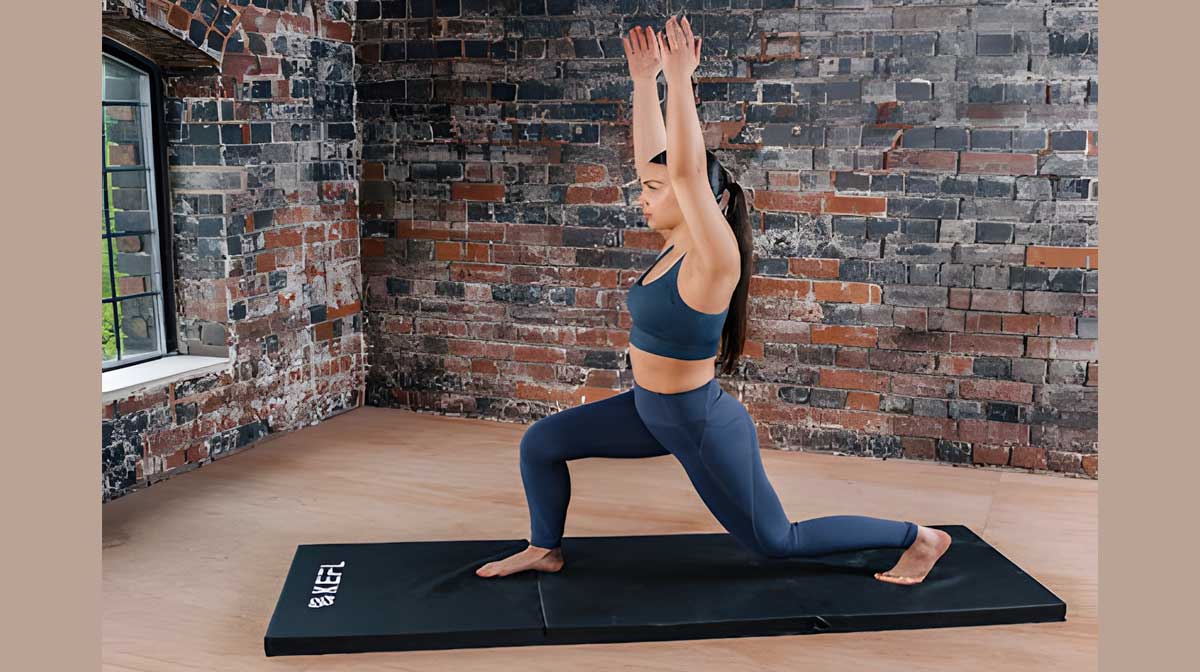
When most people think about yoga clothes today, they imagine:
- sleek leggings
- stylish sports bras
- matching Instagram-ready sets
But yoga clothing didn’t always look like this.
In fact, if we travel back in time, things were very different… and honestly, a little less comfortable
So let’s take a fun journey through time and see how yoga clothes evolved into what we wear today.
Ancient Yoga — No Leggings, No Problem
Yoga started over 5,000 years ago in ancient India.
Back then:
- there were no yoga studios
- no brands
- no stretchy fabrics
People practiced in:
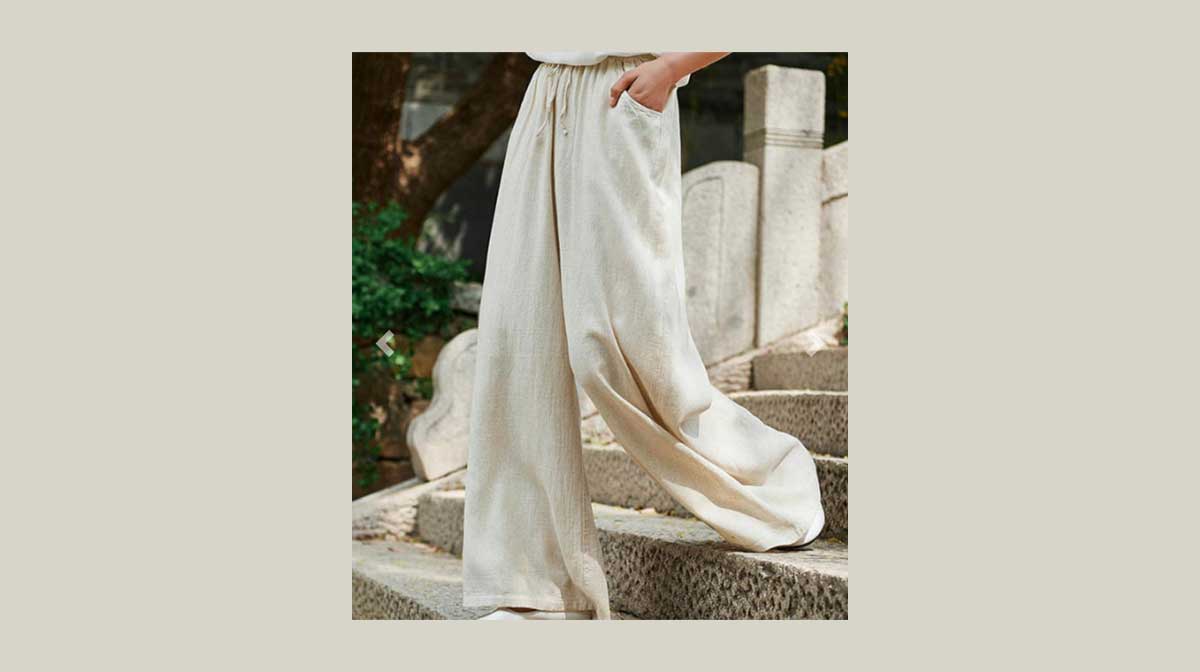
- simple cotton garments
- loose robes
- or traditional cloth wraps
The focus was not fashion—it was meditation and discipline.
Early 20th Century — The First Modern Shift
Yoga began spreading to the Western world in the early 1900s.
At this stage:
- clothing was still loose
- flexibility was limited
- comfort was not the priority
Yoga was more “philosophy” than fitness.
1960s–1980s — The Fitness Revolution Begins
This is where things start to change.
Yoga becomes:
- more physical
- more popular in the West
- part of fitness culture
People start wearing:
- gym-style outfits
- cotton leggings
- basic stretch clothing
Still not very stylish… but improving.
1990s — The Birth of Modern Yoga Wear
This decade is important.
Why?
Because yoga becomes mainstream fitness.
We start seeing:
- early spandex fabrics
- tighter-fitting clothes
- the first “yoga-specific” outfits
Comfort starts to matter more than ever.
2000s — The Rise of Yoga Fashion Brands
This is the turning point.
Brands like
Lululemon
begin redefining yoga wear completely.
Suddenly:
- leggings become stylish
- yoga clothes become daily wear
- “athleisure” is born
Yoga clothes are no longer just for yoga.
2010s — Instagram Era & Yoga Aesthetics
Now things get interesting.
With social media:
- yoga becomes visual
- outfits become part of identity
- fashion and fitness merge
Brands like
Alo Yoga
push the idea that yoga wear = lifestyle fashion.
2020s — Comfort First Era
After global lifestyle changes, priorities shifted.
People want:
- comfort
- versatility
- home-friendly outfits
Yoga clothes become:
- work-from-home outfits
- travel wear
- everyday fashion
Fabric Evolution (This Is Where Science Helps)
Modern yoga clothes use advanced materials like:
- moisture-wicking polyester
- four-way stretch spandex
- bamboo blends
- recycled fabrics
Research shows these fabrics improve:
- comfort by up to 40%
- movement efficiency during exercise
(Source: textile performance studies)
The Athleisure Boom
Today, yoga clothes are part of a global trend called “athleisure.”
This means:
clothes that work for both exercise and daily life
Market reports (Statista) show:
- activewear is one of the fastest-growing fashion segments worldwide
Why Yoga Clothes Became Everyday Fashion
Simple reasons:
- comfort beats formalwear
- hybrid lifestyles (work + home)
- social media influence
- fitness culture growth
You can now wear yoga clothes:
- to coffee shops
- airports
- even casual meetings
A Funny Reality Check
If ancient yogis saw today’s leggings:
They would probably think:
“Is this spiritual armor or fashion technology?”
Sustainable Future of Yoga Clothes
The next phase is sustainability:
- recycled fabrics
- ethical production
- long-lasting materials
Modern brands like
👉 https://umahe.com/
are aligned with this shift toward responsible fashion.
Yoga clothes didn’t evolve just because of fashion.
They evolved because:
- lifestyles changed
- technology improved
- comfort became essential
From simple robes to high-tech leggings, yoga wear reflects how humans live today.
And honestly?
We’re all just grateful we don’t have to do downward dog in ancient cotton wraps anymore
If you want modern, comfortable, and versatile yoga-inspired fashion, explore
👉 https://umahe.com/
Because yoga clothes are no longer just history—they’re part of everyday life.