Breathable vs. Compression: How to Pick Yoga Clothes for Your Body Type

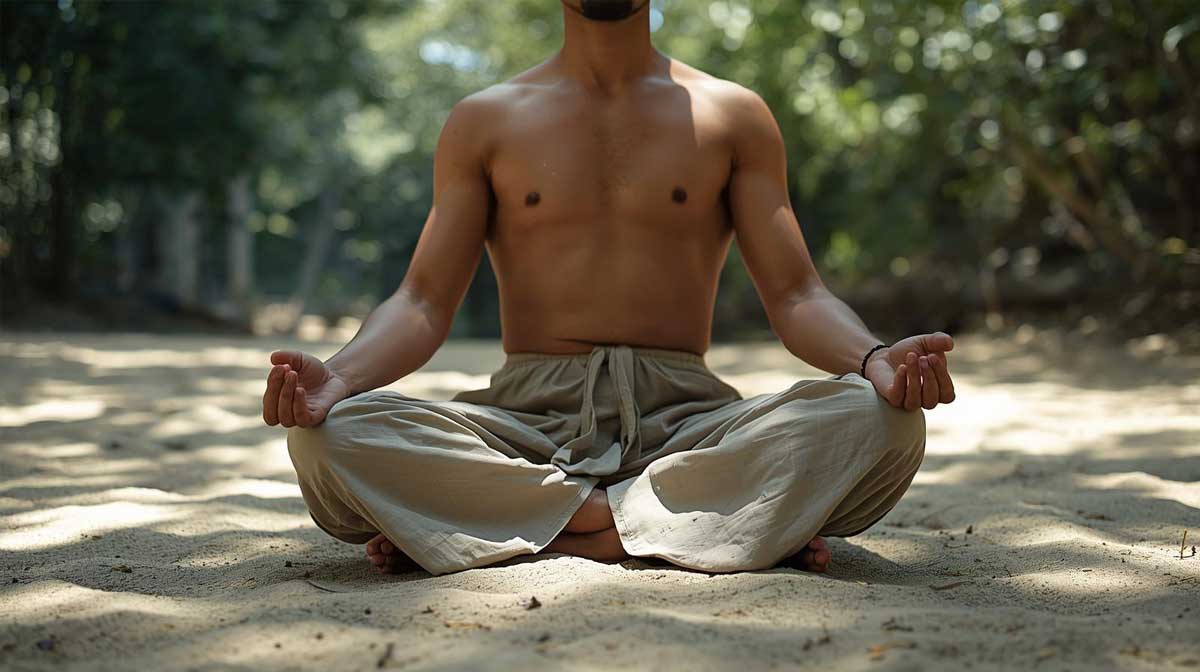
Ever had that moment in a yoga class where you’re trying to focus on your breath, but all you can think about is your outfit? Maybe your leggings are squeezing your waist like a too-tight hug, or your loose top is flopping over your face in Downward Dog. You’re not alone in this wardrobe warfare. The struggle often comes down to a fundamental choice: do you go for breathable comfort or compression support? And which one is actually right for your body?
This isn’t about chasing trends or squeezing into a certain size. It’s about understanding how different fabrics and fits interact with your unique shape to either support or sabotage your practice. Wearing the wrong type for your body can leave you feeling restricted, self-conscious, or just plain uncomfortable. But when you nail it? Your clothes disappear, and you’re free to move, breathe, and focus entirely on your practice.
Here at UMAHE WEAR, we design with the beautiful diversity of bodies in mind. We know that one fit does not rule all. This guide will help you decode the breathable vs. compression dilemma, not with rigid rules, but with empowering insights. We’ll explore how different body types—from apple and pear to athletic and hourglass—can find their perfect match on the mat. Let’s move beyond guesswork and into gear that truly works for you.
Understanding the Two Titans: Breathable vs. Compression
First, let’s define our contenders. Think of them not as enemies, but as two different tools in your wellness toolkit.
Breathable Yoga Wear: Your Comfort Zone
- What it is: Clothing made from natural, lightweight, or loosely knitted fabrics that prioritize air circulation and a relaxed feel. Think: soft cotton, bamboo, linen, or relaxed-fit styles in any material.
- The Feel: Light, airy, and forgiving. It often has a relaxed or standard fit that skims the body without clinging tightly.
- The Science: Breathable fabrics, especially natural ones, allow heat and moisture vapor to escape easily. A study in the Journal of Textile and Apparel, Technology and Management highlights how the porous structure of fibers like cotton facilitates this airflow, preventing heat from getting trapped against your skin.
- Best for:
- Gentle, restorative, or slow-flow practices (Yin, Hatha, Restorative).
- Hot climates or studios with less ventilation.
- Those with sensory sensitivities who dislike tight clothing.
- Prioritizing ultimate comfort and ease of movement over muscle support.
Compression Yoga Wear: Your Supportive Hug
- What it is: Clothing engineered with stretchy, performance fabrics (like nylon-spandex blends) designed to fit snugly and apply gentle, consistent pressure to the body.
- The Feel: Supportive, secure, and “second-skin.” It has a snug or compressive fit that hugs your contours.
- The Science: The gentle pressure of compression wear is believed to aid proprioception—your body’s awareness of its position in space. This can create a mindful, connected feeling. While strong medical-grade compression is different, light athletic compression may improve circulation and reduce muscle oscillation (tiny vibrations during movement), potentially lowering fatigue, as noted in research reviews in sports medicine journals.
- Best for:
- Dynamic, sweaty practices (Vinyasa, Ashtanga, Power Yoga, Hot Yoga).
- Providing muscle support and a feeling of stability during intense flows.
- Creating a sleek, streamlined silhouette that won’t bunch or get in the way.
- Those who enjoy a feeling of being “held” and supported.
Your Body Type Blueprint: Finding Your Fit Philosophy
Now, let’s get personal. Your body’s shape and your personal preferences are the most important factors. Here’s how to think about it.
If You Have an Apple-Shaped Body (Weight carried around the midsection)
- The Priority: Comfort around the waist, avoiding the dreaded roll-down.
- Breathable Approach: Look for high-rise, wide-waistband pants in a soft, stretchy jersey (not compressive). The wide band distributes pressure and won’t dig in. Pair with a flowy, longer tank that skims over the tummy.
- Compression Approach: Choose true high-rise compressive leggings with a wide, seamless waistband designed to stay put. The key is that the compression should be even and supportive, not pinching. A longer, fitted compression top can provide comfortable core coverage.
- UMAHE Match: Our High-Rise Embrace Legging is designed with a sculpting yet comfortable wide waistband for full torso support without squeeze.
If You Have a Pear-Shaped Body (Weight carried on hips and thighs)
- The Priority: Balancing proportions and finding pants that fit both waist and curves.
- Breathable Approach: Opt for drawstring or elastic-waist pants in breathable fabrics that you can adjust. A-line or slightly flared yoga pants can balance the silhouette. Draw attention upward with a brightly colored or detailed breathable top.
- Compression Approach: Seek out brands, like UMAHE, that offer curvy-fit leggings. These are cut with extra room in the hip and thigh while cinching in at the waist. Compression here can feel supportive for the lower body. A balanced look pairs these with a compressive tank or bra.
- Key Tip: The “bend-over test” for opacity is non-negotiable. Ensure the fabric over the hips and thighs doesn’t become sheer when stretched.
If You Have an Hourglass-Shaped Body (Defined waist with balanced bust and hips)
- The Priority: Highlighting your waist without compromising fit on top or bottom.
- Breathable Approach: This shape can rock a fitted breathable top (like a soft cotton wrap top) with relaxed-fit harem or wide-leg pants. The contrast highlights the waist naturally.
- Compression Approach: You are a prime candidate for seamless, sculpting compression sets. A high-waisted legging and a supportive, fitted long-line bra or tank will follow your natural lines beautifully. Avoid overly loose fits that can hide your shape.
- UMAHE Match: A matching set from our Sculpt Collection offers compressive support that celebrates your natural contours.
If You Have an Athletic or Rectangular Body (Shoulders, waist, and hips are similar widths)
- The Priority: Creating definition and finding tops that fit a broader shoulder/back.
- Breathable Approach: Use layers and details. A knit open-back top or a breathable muscle tee adds visual interest. Textured leggings or pants with side seams can create the illusion of curves.
- Compression Approach: Compression wear looks fantastic on athletic builds. Look for compressive tops with racerback or open-back designs to accommodate broader shoulders. Ribbed textures or cut-out details can add feminine definition.
- Key Tip: For both types, don’t shy away from bold colors and patterns to add dimension.
Beyond Shape: Other Crucial Factors to Consider
Your body type is a starting point, but other elements are equally important.
- Your Practice Style: This overrides everything. A powerful Vinyasa demands moisture-wicking compression, even if you prefer breathable looks. A Yin class is the perfect place for loose, breathable cottons.
- Fabric is King: Breathability and compression depend heavily on material. A “compressive” legging made from a thick, non-breathable fabric will be awful for hot yoga. Look for compression in technical, moisture-wicking fabrics for active practices.
- The Psychology of Feel: What makes you feel confident? If compression makes you feel strong and supported, embrace it. If breathable clothes make you feel free and unconstrained, choose that. Your mental comfort directly impacts your practice.
- The Hybrid Solution: You don’t have to choose one! The perfect wardrobe has both. Try compressive leggings with a breathable, loose tank. Or a fitted, breathable long-sleeve top with lightweight compression shorts.
The Sustainable & Mindful Choice
Whether you choose breathable natural fibers or high-tech recycled compression fabrics, making a mindful choice matters.
- Breathable & Natural: Often has a lower carbon footprint and is biodegradable. Look for organic cotton, bamboo, or Tencel™.
- Compression & Performance: Opt for brands using recycled polyester or nylon. This gives plastic waste a new life as durable, high-performance gear. At UMAHE, our compression pieces are crafted from these innovative, earth-conscious materials.
- Quality Over Quantity: Investing in one pair of well-made, versatile leggings that fit your body and practice perfectly is more sustainable (and economical) than buying multiple poor-fitting pairs.
Your Body, Your Rules
The breathable vs. compression debate has no single winner—only what wins for you. The goal is to find clothing that respects your body, supports your practice, and aligns with your values.
Listen to your body’s signals. Does this waistband leave marks? Is this fabric making me overheat? Do I feel strong and secure? Use the guidelines here as a starting point for experimentation, not a rigid rulebook.
Ultimately, the best yoga clothes are the ones you forget you’re wearing. They become a part of your practice, allowing you to turn your focus inward, breathe deeply, and move with intention and joy. Honor your unique shape, and dress it in a way that lets your inner yogi shine brightest.
Ready to explore yoga wear designed for every body and every choice? Discover UMAHE’s range of breathable essentials and conscious compression gear, where fit, function, and ethics align. Find your perfect fit today.
References & Further Reading
- International Journal of Fashion Design, Technology and Education: “Analysis of compression garment use and preferences among female athletes” – https://www.tandfonline.com/doi/abs/10.1080/17543266.2019.1682180
- Journal of Textile and Apparel, Technology and Management: “Thermal Comfort Properties of Cotton and Bamboo Blended Knitted Fabrics” – https://ojs.cnr.ncsu.edu/index.php/JTATM/article/view/4877
- Sports Medicine Journal Review: “The Effects of Compression Garments on Recovery Following Exercise-Induced Muscle Damage” – https://link.springer.com/article/10.1007/s40279-019-01150-5
- American Council on Exercise (ACE): “Finding the Right Fit for Your Workout Clothes” – https://www.acefitness.org/resources/everyone/blog/6678/exercise-apparel-form-and-function/
- Yoga Journal: “What to Wear for Your Body Type” – https://www.yogajournal.com/lifestyle/fashion/what-to-wear-for-your-body-type/
- The Plus Size Yoga Blog: “A Guide to Finding Yoga Clothes That Actually Fit” – https://plussizeyoga.com/
- Textile Exchange: “Preferred Fiber & Materials Market Report” (for data on recycled materials) – https://textileexchange.org/reports/preferred-fiber-and-materials/
- PubMed Central: “The effect of clothing on thermoregulation and comfort during exercise” – https://www.ncbi.nlm.nih.gov/pmc/articles/PMC4701952/
- University of Portsmouth News: “Compression clothing helps you run faster and jump higher, research suggests” – https://www.port.ac.uk/news-events-and-blogs/news/compression-clothing-helps-you-run-faster-and-jump-higher-research-suggests
- The Good Trade: “The Ultimate Guide To Sustainable Activewear” – https://www.thegoodtrade.com/features/sustainable-activewear